Oklahoma's Secondary Transition Framework:
Planning for What's Next
Oklahoma’s Secondary Transition Framework is a clear, comprehensive roadmap to support students with disabilities as they move from high school to adult life. Designed for educators, vocational rehabilitation counselors, professionals, and families, the framework centers on each student’s individual vision for postsecondary education, employment, independent living, and community participation. It includes identified outcomes and services, implementation guides, courses, videos, and practical tools to ensure coordinated, high-quality support for transition teams statewide.
The framework is organized into three major sections that are essential to effective secondary transition planning.
- Data-Driven Secondary Transition Planning
- Collaborative Systems and Sustainable Teaming
- Evidence and Research-Based Practices.
| Data-Driven Secondary Transition Planning | Collaborative Systems and Sustainable Teaming | Evidence- and Research-Based Practices |
|---|---|---|
| Age-Appropriate Transition Assessment Results | Statewide Interagency Team — Oklahoma Transition Council | Academic, Functional, Behavioral, and Mental Health Supports |
|
|
|
| Post-Secondary Goals | Local and Regional Transition Teams | Transition Education and Services |
|
|
|
| Annual Transition Goals | Individualized Education Program (IEP) Teams | Effective Practices |
|
|
|
| Transition Services, Coordinated Activities, and Courses of Study | Predictors of Post-School Success | |
|
|
- Drive secondary transition planning
- Identify strengths, preferences, interests, and needs (SPIN)
- Based on strengths, preferences, and interests identified by assessments, student, and family input
- Measurable and updated annually
- Occur after high school
- Based on needs identified from skill assessments
- Measurable, including condition, behavior, and criteria
- Updated annually
- Include services and coordinated activities for each annual transition goal
- Aligned to help students meet post-secondary goals
- Includes representatives from all relevant stakeholders
- Mission and vision are focused on improving student outcomes
- Provides guidance and support to local and regional transition teams
- Leadership support
- Engagement of students, families, and community stakeholders
- Effective meetings
- Implement effective practices to improve student outcomes
- Student-focused and student-led meetings
- Includes input from students, families, and all relevant education and transition agency staff
- Access school supports for academics, behavior, and mental health
- Access to career development, including Individual Career and Academic Planning (ICAP)
- Grounded in quality research
- Specific interventions to teach skills to secondary students and youth with disabilities; based on the results of intervention research
- Specially-designed instruction
- Aligned to the Predictors of Post-School Success
- Evidence- and research-based services, supports, or acquired skills identified to be associated with improved post-school outcomes for students with disabilities through correlational research
- Includes the activities, services, and supports linked to higher success rates in adulthood
Secondary Transition Outcomes and Services
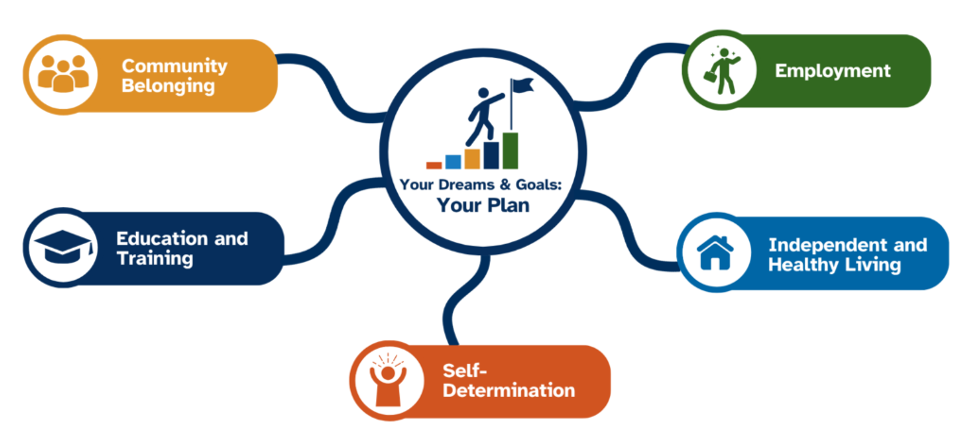
The Oklahoma Transition Council (OTC) developed student outcomes for education and training, employment, independent living and community belonging, also referred to as community participation. The purpose of these outcomes is to guide youth, families, educators, vocational rehabilitation counselors, developmental disabilities service providers, and other partners who support secondary transition planning and services. The outcomes are developmentally appropriate and reflect a natural progression toward independence, from exploration to planning, preparation, participation, and self-advocacy.

The Oklahoma State Department of Education-Special Education Services (OSDE-SES) affirms the importance of presuming competence and holding high expectations for all students with disabilities. A Free Appropriate Public Education (FAPE) is determined individually for each student by the Individualized Education Program (IEP) team. The IEP team is responsible for developing an IEP that is reasonably calculated to enable the student to make meaningful progress, based on the student’s unique strengths, needs, and circumstances, and delivered in the least restrictive environment. “Reasonably calculated” means the team carefully considers the individual student when developing goals, services, and supports to ensure outcomes are ambitious and achievable. Special education services end when students graduate with a standard diploma or reach the maximum age of 22 on or before September 1 of a school year.
- K-2nd (Ages 5-8)
- 3rd-5th (Ages 8–11)
- 6th-8th (Ages 11–14)
- 9th-12th (ages 14–18)
- Post-Secondary (ages 18+)
Self-Determination
- Choice-Making: Identify preferences and make simple choices between two options while beginning to understand basic consequences.
- Decision-Making: Recognize simple choices, think about basic options, and make decisions based on personal preferences and an understanding of cause and effect.
- Goal-Setting: Set short-term goals, name basic steps to reach them, and reflect on progress with guidance and support.
- Problem-Solving: Follow simple plans to reach short-term goals, check progress, and adjust steps with guidance.
- Goal Attainment: Follow simple plans, check progress, and adjust steps with guidance to stay on track.
- Self-Knowledge: Recognize strengths, likes, and dislikes and use this awareness to guide choices with support.
- Self-Awareness: Identify emotions, notice personal triggers, and begin to understand how feelings affect choices and actions.
- Self-Management: Manage emotions and time in simple situations, follow routines, and stay organized with support.
- Persistence: Stay focused, keep trying when work is hard, and show effort to finish goals with little support.
- Self-Advocacy: State basic needs, preferences, and feelings and ask for help when needed.
Education and Training
- Identify personal strengths, preferences, interests, and support needs to guide future education, training, and career planning.
- Explore career options and build job skills by participating in school‑based work tasks, service projects, and community‑based work experiences, including volunteer and paid opportunities.
- Build independence through daily living and responsibility skills at school, home, and in the community.
- Participate in inclusive educational settings, with access to general education peers and extracurricular activities in the least restrictive environment.
- Understand and use accommodations, assistive technology, and related services to support learning and participation.
- Engage in coordinated transition planning and services that align with measurable post‑secondary goals before the beginning of the ninth grade year, or on or before the age 15, whichever comes first or earlier.
- Understand educational rights, procedural safeguards, available services, funding responsibilities, and dispute resolution options.
- Have appropriate health, safety, and nursing supports to ensure full participation in school activities.
Employment
- Identify strengths, preferences, interests, and skills related to work.
- Learn about job duties, work settings, employer expectations, and safety rules.
- Practice work habits such as communication, social skills, being on time, following directions, and staying on task.
- Take part in career awareness activities such as guest speakers, job fairs, and workplace visits.
- Learn how education connects to future job options.
- Set early goals for future careers and training.
- Learn how to ask for help and use supports in work settings when needed.
Independent Living
- Follow basic self‑care routines with support, including washing hands, brushing teeth, getting dressed, and recognizing when privacy is needed.
- Participate in simple household routines with guidance, such as picking up toys, helping set the table, and putting belongings where they belong.
- Participate in simple healthy routines with support, such as choosing healthy snacks, engaging in physical play, practicing basic hygiene, recognizing when they feel unwell, and identifying trusted adults who can help when they feel unsafe or need assistance.
- Use classroom and home technology with support by learning basic device skills (turning devices on/off, opening apps or programs), following simple rules for safe use, and using early assistive tools when needed.
- Begin developing awareness of money by recognizing coins and bills, making simple spending choices, and understanding the basic difference between wants and needs with adult support.
- Begin developing awareness of different types of homes by recognizing familiar housing and talking about where they live and what makes them feel safe.
- Participate in familiar community and school activities with support, showing basic social skills such as greeting others, taking turns, and following simple rules.
- Recognize common transportation options (school bus, family car, walking) and follow basic safety rules such as staying with an adult, using crosswalks, and following simple bus or car routines.
- Build beginning friendships by showing kindness, sharing, taking turns, recognizing personal space, and identifying trusted adults who keep them safe.
Independent Living (Ages 3-5)
- Demonstrate increasing independence with daily self‑care routines, including hygiene tasks, dressing appropriately for activities or weather, and understanding personal boundaries and privacy.
- Build basic household skills such as cleaning personal spaces, helping with simple chores, and following routines for organizing school and home materials with some reminders.
- Demonstrate increasing independence in healthy routines by choosing balanced foods, participating in regular physical activity, practicing age‑appropriate hygiene, reporting symptoms or concerns to trusted adults, and recognizing strangers or unsafe situations and seeking help when needed.
- Demonstrate increasing independence using technology by practicing responsible digital behavior, beginning digital literacy skills, and using assistive technology or communication supports with guidance.
- Demonstrate independence with basic financial concepts by comparing wants and needs, making simple budgets, and understanding that money is earned and used to pay for things people need.
- Identify features of different living spaces, discuss what they like or don’t like, and recognize that people live in different types of housing.
- Demonstrate beginning communication and social‑awareness skills by interacting politely with peers and familiar community members and participating in community activities with guidance.
- Demonstrate increasing independence in moving safely in the community by recognizing traffic signals, following directions, practicing safe walking or loading routines, and identifying trusted adults who can help during travel.
- Develop and maintain friendships by using age‑appropriate communication, cooperating with peers, resolving simple conflicts, and recognizing when interactions feel safe or unsafe.
Independent Living (Ages 6-8)
- Practice self‑care skills, including hygiene, privacy, emotional regulation, and mental health awareness, with growing independence and fewer prompts.
Develop skills for making healthy food choices, preparing simple meals, and cleaning up afterward, while also helping with basic home upkeep. - Increase knowledge of healthy lifestyles, participate in regular health care, and practice personal and community safety skills—including fire safety, disaster preparedness, emergency planning, and responding to unsafe situations.
- Use technology and social media safely with guidance; address accessibility needs using assistive technology and communication supports; and begin building skills for navigating digital environments responsibly.
- Increase awareness of money management by budgeting, saving for wants, making spending choices, and developing early understanding of long‑term planning.
- Understand different housing options available in the community and begin identifying general preferences while considering safety, comfort, and independence.
- Participate in community activities with guidance while demonstrating appropriate social cues and behavior in public places.
- Access appropriate transportation options, including school and community transit, by locating stops, reading signs, and demonstrating safe behavior with support.
- Build positive peer relationships and expand social networks while practicing respect, empathy, and healthy boundaries.
Self-Determination
- Choice-Making: Compare options and share preferences with a simple reason why.
- Decision-Making: Predict what might happen, think about pros and cons, and make choices that support personal goals.
- Problem-Solving: Follow plans, track progress, work through obstacles, and change strategies with growing independence.
- Goal-Setting: Set short-term goals, list basic steps to reach them, and check progress with some guidance.
- Goal Attainment: Follow plans, monitor progress, work through obstacles, and adjust strategies to reach goals.
- Self-Knowledge: Identify personal strengths, challenges, and interests and explain how they help guide decisions and goals.
- Self-Awareness: Understand how emotions affect decisions, explain feelings and needs, and use self-awareness to handle challenges.
- Self-Management: Plan and prioritize tasks, manage emotions, and change strategies to handle responsibilities.
- Problem-Solving: Follow plans, track progress, work through obstacles, and adjust strategies with growing independence.
- Persistence: Keep working toward goals, learn from mistakes, and try again when challenges come up.
- Self-Advocacy: Share needs, goals, and preferences with confidence and respect and ask for support when needed.
Education and Training
- Ensure the Academic and Career Plan and course of study are aligned with career interests and discussed during IEP meetings.
- Develop academic and career goals in collaboration with school counselors, advisors, and transition staff, and select and enroll in courses that align with identified career pathways and graduation goals.
- Understand the education, training, certifications, or credentials required for careers of interest.
- Explore a range of postsecondary options, including two- and four-year colleges, applied studies programs, and career and technical training programs.
- Examine admission requirements, program expectations, and graduation pathways connected to different diploma options.
- Identify available supports, accessibility services, and possible course accommodations in colleges and training programs.
- Build strong academic habits, responsibility, and work ethic to support future college and career success.
- Include meaningful work-based learning or volunteer experiences within the transition plan.
- Practice skills needed to search for, apply for, obtain, and maintain employment.
- Balance academic instruction, work experience, and social skill development based on individual strengths, needs, and interests.
Employment
- Explore courses, including Career and Technical Education (CTE) and concurrent enrollment courses that connect to career interests and strengths.
- Identify careers that match strengths, preferences, and interests, including options for working independently, as part of a team, or through self-employment.
- Participate in work-based learning experiences to build workplace readiness skills such as communication, social skills, and time management.
- Identify and communicate needed accommodations during school and community work experiences.
- Identify and access community resources, including Pre-Employment Transition Services (Pre-ETS) and Vocational Rehabilitation (VR), to support preparation for college and career pathways.
- Develop basic financial literacy skills and understand the benefits of employment.
- Explore and practice using available transportation options to access work and community activities with guidance as needed.
Independent Living
- Independently manage personal self‑care routines, including hygiene, dressing, and privacy, and seek help appropriately when support is needed.
- Demonstrate growing independence in daily living skills by preparing simple meals, completing laundry tasks, and performing routine housekeeping with minimal prompts.
- Understand personal health and medical needs, participate in individualized safety drills/emergency planning, apply healthy‑lifestyle practices more independently, and obtain and maintain important personal identification and records.
- Practice digital literacy, use technology to monitor health, sleep, and activity, and use assistive technology to increase independence with decreasing support.
- Develop money‑management skills including accounts, credit, budgeting, and long‑term impacts, and explore financial/legal considerations that support future stability.
- Identify and explore housing options in the community and discuss future living preferences and adult life goals.
- Participate in school and community clubs or activities based on personal interests and preferences, demonstrating effective communication and situational awareness across settings.
- Explore and practice transportation options, and begin developing a personal transportation plan including route planning, schedules, driving requirements, and initial DMV preparation.
- Understand healthy and unhealthy relationship qualities and use this understanding to make safe choices in friendships and peer interactions.
Self-Determination
- Choice-Making: Make informed choices based on personal interests, values, and goals.
- Decision-Making: Think through more complex choices, predict possible outcomes, and adjust decisions when situations change.
- Goal-Setting: Create goals independently, build step-by-step plans, and monitors progress with minimal support.
- Problem-Solving: Work through challenges, improve strategies using feedback, and complete plans independently to reach goals.
- Goal Attainment: Persist through challenges, improve strategies using feedback, and carry out plans independently to reach goals.
- Self-Knowledge: Understand strengths, interests, and values and use them to make thoughtful decisions and set meaningful goals.
- Self-Awareness: Recognize emotional reactions, connect feelings to decision making, and use self-awareness to improve social and personal outcomes.
- Self-Management: Balance responsibilities, adjust plans with feedback, and manage emotions at school and socially.
- Problem-Solving: Work through challenges, improve strategies from feedback, and complete plans independently to reach goals.
- Persistence: Keep working on long tasks, use strategies to solve problems, and learn from setbacks.
- Self-Advocacy: Speak up for personal needs confidently and advocate for themselves in school and social situations.
Education and Training
- Discuss postsecondary education and training goals during IEP meetings.
- Explore options for concurrent and dual enrollment to prepare for postsecondary education and training.
- Participate in work-based learning experiences, including internships and apprenticeships.
- Enroll in elective courses that allow deeper exploration of career interests.
- Participate in postsecondary education and training tours, college visits, and informational sessions.
- Understand the differences between IDEA, Section 504, and the ADA and how to access accommodations at the postsecondary level.
- Explore scholarship opportunities and other funding sources for college or training programs.
- Complete required entrance exams, portfolios, and placement requirements with needed supports.
- Complete financial aid applications, including FAFSA, Oklahoma’s Promise (OK Promise), Oklahoma Tuition Aid Grant (OTAG), and the Oklahoma Access and Achievement Program, with support as needed.
- Complete college or training program applications and finalize post-graduation plans.
- Build daily living and independent living skills as part of the transition plan to support success after high school.
Employment
- Participate in competitive integrated employment experiences to gain experience in areas of interest.
- Develop a career action plan to pursue competitive integrated employment.
- Learn how to search and apply for jobs.
- Build and apply workplace readiness skills, including communication, time management, reliability, social skills, and critical thinking.
- Update and maintain a current resume.
- Identify needed workplace accommodations and practice self-advocacy with employers.
- Learn about public benefits and basic benefits management.
- Practice using preferred transportation options to get to work.
Independent Living
6th grade outcomes
- Practice basic self‑care skills with regular reminders, including hygiene, understanding privacy, identifying emotions, and recognizing when to ask for help with mental well‑being.
- Learn to make simple healthy food choices, help prepare basic snacks or meals with supervision, and participate in cleaning up.
- Build early knowledge of healthy lifestyles and begin participating in routine health care.
- Learn fundamental personal and community safety skills such as fire safety basics and how to respond to unsafe situations.
- Use technology and social media safely with close guidance; begin using assistive technology and communication supports as needed to navigate digital tasks.
- Increase awareness of money management by identifying wants versus needs, practicing simple budgeting with support, and beginning to save small amounts.
- Participate in school and community activities with guidance while learning appropriate social cues and behavior in public settings.
- Build positive peer relationships by practicing respect, empathy, and healthy boundaries with guidance.
- Use school and community transportation with support by locating stops, reading simple signs, and practicing safe behavior.
- Become aware that different housing options exist in the community and identify general likes and dislikes with adult guidance.
7th grade outcomes
- Demonstrate increasing independence in self‑care routines, including hygiene, privacy practices, emotional regulation strategies, and identifying when mental health support is needed.
- Prepare simple meals with minimal assistance, make healthy food decisions, clean up after cooking, and help with basic home upkeep tasks.
- Apply knowledge of healthy lifestyles and participate more independently in routine health care.
- Practice personal and community safety skills such as disaster preparedness basics and responding appropriately to unsafe situations.
- Use technology and social media safely with some guidance; problem‑solve accessibility needs using assistive technology; and begin navigating digital environments more responsibly.
- Practice money management by following a simple budget, saving toward short‑term goals, making spending choices, and learning early concepts of long‑term planning.
- Participate in community activities with less prompting while demonstrating appropriate behavior and social expectations.
- Expand peer relationships while practicing empathy, mutual respect, and maintaining healthy boundaries.
- Navigate transportation options with some support by finding stops, reading posted information, and consistently demonstrating safe practices.
- Understand various community housing options and begin identifying housing that fits personal needs for safety, comfort, and independence.
8th grade outcomes
- Manage self‑care routines with growing independence, including hygiene, privacy, emotional regulation, and recognizing signs that mental health support or coping strategies are needed.
- Make healthy food choices consistently, prepare simple meals with limited support, clean up independently, and contribute to routine home maintenance tasks.
- Demonstrate understanding of healthy lifestyles, and participate independently in regular health care.
- Apply personal and community safety knowledge, including fire safety, disaster preparedness, emergency planning, and responding appropriately to unsafe situations.
- Use technology and social media responsibly with minimal guidance; troubleshoot accessibility needs using assistive technology; and navigate digital environments safely and independently.
- Apply money management skills by creating and following a basic budget, saving for wants, making informed spending decisions, and building a foundational understanding of long‑term financial planning.
- Participate in community activities with independence while consistently demonstrating appropriate social cues and public behavior.
- Build and maintain positive peer relationships, expand social networks, and consistently demonstrate respect, empathy, and appropriate boundaries.
- Use appropriate transportation options more independently by locating stops, reading schedules, monitoring safety, and planning simple routes with limited support.
- Understand various community housing options and begin identifying housing that fits personal needs for safety, comfort, and independence.
Self-Determination
- Choice-Making: Think through multiple complex options and make choices that support long-term goals and personal values.
- Decision-Making: Make thoughtful decisions by weighing risks, benefits, and long-term impact and adjust choices when needed.
- Goal-Setting: Set long-term goals, create clear action plans, check progress, and adjust strategies based on reflection.
- Problem-Solving: Solve problems by changing strategies when needed and stay flexible and focused while working toward goals.
- Goal Attainment: Carry out long-term plans, adapt strategies to overcome challenges, and stay flexible and focused to succeed.
- Self-Knowledge: Use awareness of strengths, challenges, and values to guide major school, career, and life decisions.
- Self-Awareness: Recognize and manage emotions, reflect on behavior, and handle school and social situations with flexibility.
- Self-Management: Manage time, responsibilities, and emotions across settings and stay focused and flexible during complex tasks.
- Problem-Solving: Solve problems by adjusting strategies when needed and stay flexible and focused while working toward goals.
- Persistence: Stay focused on long-term goals, improve strategies after setbacks, and keep growing.
- Self-Advocacy: Communicate needs confidently, find helpful resources, and advocate for themselves at school, socially, and at work.
Education and Training
- Participate in education or training programs that align with an identified career pathway.
- Continue learning through work, volunteering, community activities, hobbies, or new areas of interest.
- Locate student accessibility services, provide documentation, request and access accommodations and supports.
- Understand and apply adult rights and responsibilities in postsecondary education and training settings, including the differences between IDEA, Section 504, and the ADA.
- Make informed decisions about classes or coursework and communicate effectively with advisors when support or changes are needed.
- Access and use academic, training, career center, employment agency, or workforce supports (such as DRS or Workforce services) to obtain, maintain, or change employment.
- Understand and access employer‑provided benefits when participating in employment connected to education or training goals.
Employment
- Obtain and maintain competitive integrated employment aligned with identified career goals and personal interests.
- Develop and improve employment skills needed to get, keep, and advance in a job or career.
- Initiate and maintain professional communication with employers regarding interests, strengths, needs, scheduling, and workplace expectations.
- Understand employer and industry expectations, and demonstrate reliability, productivity, cooperation, self-discipline, and quality work performance.
- Determine the level of support needed for employment and collaborate with employers to request and implement workplace accommodations, including assistive technology when appropriate.
- Identify and address barriers to employment by reflecting on past work experiences and creating plans for improvement.
- Explore funding options and community resources to support customized employment, supported employment, or self-employment opportunities.
- Understand how earned income affects public benefits and collaborate with a benefits planner when needed.
- Advocate for ongoing education or training to support career growth and increased earnings.
- Apply lifelong learning skills and work behaviors in real-world employment settings to support long-term career success.
Independent Living
9th Grade Outcomes (Building Foundational Independence)
- Independently manage personal self‑care routines, including hygiene, hair and skin care, privacy, and seek help appropriately when support is needed.
- Demonstrate growing independence in daily living skills by preparing simple meals, completing laundry tasks, and performing routine housekeeping with minimal prompts.
- Understand personal health and medical needs.
- Participate in individualized safety drills/emergency planning and apply healthy‑lifestyle practices more independently.
- Practice digital literacy, use technology to monitor health, sleep, and activity, and use assistive technology to increase independence with decreasing support.
- Develop money‑management skills including accounts, credit, budgeting, and long‑term impacts, and explore financial/legal considerations that support future stability.
- Participate in school and community clubs or activities based on personal interests and preferences, demonstrating effective communication and situational awareness across settings.
- Understand healthy and unhealthy relationship qualities and use this understanding to make safe choices in friendships and peer interactions.
- Explore and practice transportation options, and begin developing a personal transportation plan including route planning, schedules, driving requirements, and initial DMV preparation.
- Identify and explore housing options in the community and discuss future living preferences and adult life goals.
10th Grade Outcomes (Increasing Independence, Planning for Future Adult Life)
- Maintain personal self‑care routines independently across settings, problem‑solving when challenges arise, and appropriately accessing available supports when needed.
- Consistently perform daily living tasks, including meal preparation, laundry, and housekeeping, with greater accuracy, efficiency, and independence.
- Demonstrate understanding of personal health conditions, track medications or appointments with support as needed, and communicate health needs effectively.
- Independently follow emergency procedures, contribute to personal preparedness planning, and maintain important personal identification and records.
- Use digital tools and assistive technology to manage personal organization, track wellness data, and complete tasks more independently across environments.
- Apply money‑management skills by maintaining accounts, making informed financial decisions, comparing financial products (e.g., checking, savings, credit), and understanding legal/financial responsibilities associated with early adulthood.
- Engage consistently in school and community activities, demonstrating effective self‑advocacy, communication, and flexibility across diverse social settings.
- Apply understanding of healthy relationship dynamics by setting and maintaining boundaries and seeking support when encountering unsafe behaviors or interactions.
- Use multiple transportation options with increasing independence, refine a personal transportation plan, and complete steps toward meeting DMV or driving‑readiness requirements.
- Compare and evaluate housing options relative to personal needs, budget, safety, and long‑term adult goals, with emerging decision‑making independence.
- Maintain consistent self‑care routines across home, school, and community settings, demonstrating age‑appropriate hygiene, privacy, and personal health management.
- Expand independent living skills by maintaining personal/shared spaces, preparing a wider range of meals, completing laundry independently, and contributing to home tasks across environments.
- Make healthy food choices, explore physical activities, connect with adult health‑care providers, and understand basic health‑insurance options with guidance.
- Analyze and interpret media, use digital tools to build skills and relationships, and identify needed assistive technology or accommodations for postsecondary settings.
- Set up financial accounts and develop a budget with needed support; explore alternatives to guardianship; understand special‑needs trusts; and identify/apply for adult services, Social Security benefits, and community supports, if appropriate.
- Communicate effectively with community members and participate in volunteer/community activities to build social connections.
- Build and maintain healthy friendships by developing positive relationships with peers, mentors, and trusted adults, while using communication, boundaries, and conflict‑resolution skills.
- Practice and refine a transportation plan, learning to drive or obtaining a license when appropriate, requesting DMV accommodations, and navigating familiar routes with minimal support.
- Explore and plan for future living options after graduation and identify supports needed to live successfully and as independently as possible.
- Manage self‑care independently across all settings, consistently demonstrating personal health management and independently seeking/advocating for appropriate medical or personal support when needed.
- Demonstrate full independence in daily living tasks, including maintaining living spaces, planning and preparing balanced meals, managing laundry, and contributing to shared household responsibilities.
- Independently communicate with adult health‑care providers, schedule appointments, manage medications or health documentation, and make informed decisions about health‑insurance options with minimal support.
- Use digital tools, media literacy skills, and assistive technology to support postsecondary learning, employment, communication, and daily organization with increasing self‑advocacy.
- Independently manage personal financial accounts, maintain a functional budget, understand credit, compare financial/legal options, and complete applications for adult services, Social Security, and community supports when applicable.
- Demonstrate strong communication, self‑advocacy, and social‑participation skills in school, community, and work‑based learning environments.
- Maintain supportive and healthy friendships and mentorships, apply boundaries, navigate conflicts, and seek support when relationships become unsafe or unhealthy.
- Safely and independently navigate transportation options; complete steps toward a driver's license (if appropriate); or demonstrate independence with community transportation and route planning.
- Finalize a personalized post‑graduation housing plan, identify necessary supports, and demonstrate readiness for increased autonomy in future living arrangements.
Self-Determination
- Choice-Making: Balance responsibilities, personal preferences, and long-term outcomes to make sustainable decisions.
- Decision-Making: Make strong decisions by considering multiple factors and weighing risks, benefits, and changes.
- Goal-Setting: Create, adjust, and carry out flexible long-term plans aligned with personal goals and evolving priorities.
- Problem-Solving: Make steady progress toward long-term goals, change strategies when needed, and persist until success is reached.
- Goal Attainment: Make consistent progress, adjust approaches when necessary, and follow through to accomplish goals.
- Self-Knowledge: Use awareness of personal strengths, challenges, and values to guide informed personal and career decisions.
- Self-Awareness: Understand and manage emotions independently and apply self-awareness to guide decision-making.
- Self-Management: Plan, prioritize, and handle multiple responsibilities while adapting effectively at home and at work.
Education and Training
- Participate in education or training programs that align with an identified career pathway.
- Continue learning through work, volunteering, community activities, hobbies, or new areas of interest.
- Locate student accessibility services, provide documentation, request and access accommodations and supports.
- Understand and apply adult rights and responsibilities in postsecondary education and training settings, including the differences between IDEA, Section 504, and the ADA.
- Make informed decisions about classes or coursework and communicate effectively with advisors when support or changes are needed.
- Access and use academic, training, career center, employment agency, or workforce supports (such as DRS or Workforce services) to obtain, maintain, or change employment.
- Understand and access employer‑provided benefits when participating in employment connected to education or training goals.
Employment
- Obtain and maintain competitive integrated employment aligned with identified career goals and personal interests.
- Develop and improve employment skills needed to get, keep, and advance in a job or career.
- Initiate and maintain professional communication with employers regarding interests, strengths, needs, scheduling, and workplace expectations.
- Understand employer and industry expectations, and demonstrate reliability, productivity, cooperation, self-discipline, and quality work performance.
- Determine the level of support needed for employment and collaborate with employers to request and implement workplace accommodations, including assistive technology when appropriate.
- Identify and address barriers to employment by reflecting on past work experiences and creating plans for improvement.
- Explore funding options and community resources to support customized employment, supported employment, or self-employment opportunities.
- Understand how earned income affects public benefits and collaborate with a benefits planner when needed.
- Advocate for ongoing education or training to support career growth and increased earnings.
- Apply lifelong learning skills and work behaviors in real-world employment settings to support long-term career success.
Independent Living & Community Participation
Guides and Guidance Briefs
The Oklahoma Secondary Transition Framework Guides and Guidance Briefs provide comprehensive support for strengthening secondary transition services and supports. They help districts and local regions build effective transition teams, strengthen collaboration between DRS and local education agencies, and apply research- and evidence-based predictors of post-school success. Together, the Guides offer tools to assess services, set meaningful goals, and plan improvements that support positive outcomes for students as they prepare for adult postsecondary education, employment, independent living, and community participation. Click on the Guides to download.
Oklahoma Secondary Transition Framework
Provides an overview and resources for each section of the OK Secondary Transition Framework.
Oklahoma Transition Teaming Guide
Strengthens an existing transition team or establishes a new team.
Predictors of Post-School Success
Provides professionals and families proven practices to prepare youth for adult living and working.
ASAP Assessment and Planning
Equips transition teams with a tool to assess transition programs, set goals, develop action plans, and improve outcomes.
DRS and LEAs Collaboration Guide
Helps DRS and schools partner to plan, coordinate referrals, applications, and services to support students in achieving their postsecondary employment goals.
Resource Mapping Guide
Helps transition teams map out the programs, services, and supports available in their local area to improve transition services and student outcomes.
Transition Assessments
Are you searching for high‑quality transition assessments for your students? You’ve come to the right place! This section offers a collection of quick, practical videos, brief descriptions, and transition resources to help you explore a wide range of tools that support identifying student strengths, preferences, interests, and needs and developing meaningful postsecondary and annual transition goals.
Career Inventories and Exploration Tools for Postsecondary Goal Development
Pictorial Interest Inventory
This is a visual assessment where students select preferred tasks from images across career fields to identify potential career interests.
Photo Career Quiz
This picture-based online quiz helps students discover their career interests.
RIASEC
Based on Holland's Code, the RIASEC suggests career choices by matching personality types with suitable work environments.
Transition Skills Assessments for Annual Transition Goal Development
Adolescent Autonomy Checklist
This 105-item checklist evaluates independent living skills and identifies areas needing additional instruction.
Armed Services Vocational Aptitude Battery
This comprehensive timed test developed by the Department of Defense assesses academic and vocational skills in eight areas. Practice tests are available online.
PEATC Life Skills Checklist
This tool is designed to track and build independent living skills for students ages 14-21 as they prepare for adulthood.
Personal Preferences Indicators
Families, educators, and other support professionals can use this guide to gather meaningful information about a student's strengths, preferences, interests, and support needs. Appropriate for students with significant support needs.
Transition Assessment Guides and Databases
OU Zarrow Institute Assessment Resources
The OU Zarrow Institute hosts several transition assessments and self-determination curriculum.
Collaborative Assessment Guide
This guide is an update to the previous version of NTACT's Transition Assessment Toolkit. It helps develop a coordinated assessment approach for transition planning and service delivery.
Transition Assessment for Students with Complex Support Needs
This Fast Fact provides insights and strategies for completing the transition assessment process for students with high support needs.
Indiana University Transition Assessment Matrix
This is a database of assessments in English, Spanish, and Burmese to support transition planning in the classroom, CTE programs, and work-based learning experiences.
Transition Tennessee Assessment Database
This is a collection of 100 or more transition assessments organized by domains to support transition planning (requires a free account).
Training

ASAP Assessment and Planning - Coming Soon

Oklahoma Transition Teaming Guide

Student Involvement in IEP - Coming Soon

Partners in Success: Business Training Course
Self-Determination Curriculum and Career Exploration Tools

Comprehensive Self-Determination Curriculum for Children and Youth Ages 5 to 22
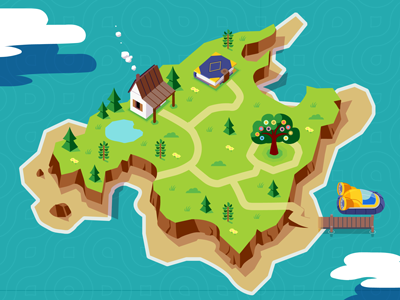
Future Quest Island–Explorations
Videos
Self-Advocacy: Owning My Disability in College
Family’s Journey Through Inclusive College Life
Inclusive Employment
AFO: A Different Perspective
AFO and Sooner SUCCESS: What Works for Everybody
AFO and Sooner SUCCESS: Skilled and Loyal Workers