Helping Families Find the Support They Need
Secondary transiton is the time when your child moves from K‑12 school into adult life. It’s never too early to think about the skills your child will need as an adult. Planning ahead helps you and your child feel more ready for the changes that come with this stage.
Plan Your Way OK brings together helpful resources — community programs, state agencies, and clear information all in one place to make things easier for you. Explore and reach out to the family partners listed below for support.
Quick Links
Outcomes by Grade
The "My Child Can" statements help families understand the skills their child is working toward and support growth at home, school, and in the community. The statements encourage family engagement and meaningful conversation wtih students, educators, and other transition partners.
Self-Determination
Student Involvement in the IEP
- My child can introduce their parent and at least one teacher.
- My child can share simple information about themselves, such as their name, birthday, and family.
- My child can share information about themselves for an “All About Me” activity.
Self-Management and Personal Responsibility
- My child can follow simple routines for organization, self-care, and classroom tasks with adult support.
- My child can use visual supports, such as picture schedules, labels, and timers, to complete tasks and stay organized.
- My child can put classroom materials and personal belongings in the correct place with support.
Positive Identity and Disability Identity
- My child can recognize and talk about personal strengths in positive ways.
- My child can notice that people have similarities and differences.
- My child can understand that everyone has different abilities.
Education and Training
Career Exploration and Work-Based Learning
- My child can participate in classroom routines and help with classroom jobs and responsibilities.
- My child can recognize that adults and community members have different roles and responsibilities.
Least Restrictive Environment & Participation
- My child can participate in classroom and school activities with peers.
- My child can work and play with others while using support when needed.
Access & Supports
- My child can use tools, supports, and help from adults to participate in learning activities.
- My child can begin to recognize when help is needed.
Transition Planning
- My child can share personal likes, dislikes, and interests.
- My child can understand that school helps build skills and supports learning over time.
Employment
Career Exploration
- My child can recognize that adults have different jobs and roles in the community.
- My child can explore different jobs through play, stories, and classroom activities.
- My child can begin to identify personal likes and interests related to different activities and tasks.
Workplace Knowledge
- My child can identify that workplaces have rules and routines that help things run smoothly.
- My child can recognize and follow basic expectations such as being safe, listening, and following directions in group settings.
Employability & Work Habits
- My child can demonstrate early work habits by participating in group activities, following simple directions, taking turns, sharing materials, and beginning to complete tasks with support.
Career Planning
- My child can recognize that school and learning are important for growing up and preparing for future work.
- My child can participate in activities that connect classroom tasks to real-life roles, such as helping, cleaning up, and completing classroom jobs.
Support Use
- My child can recognize when help is needed and respond to reminders to ask for assistance.
- My child can begin using simple supports, such as visual cues, reminders, and adult guidance, to complete tasks.
Independent Living
Career Exploration
- My child can recognize that adults have different jobs and roles in the community.
- My child can explore different jobs through play, stories, and classroom activities.
- My child can begin to identify personal likes and interests related to different activities and tasks.
Workplace Knowledge
- My child can identify that workplaces have rules and routines that help things run smoothly.
- My child can recognize and follow basic expectations such as being safe, listening, and following directions in group settings.
Employability & Work Habits
- My child can demonstrate early work habits by participating in group activities, following simple directions, taking turns, sharing materials, and beginning to complete tasks with support.
Career Planning
- My child can recognize that school and learning are important for growing up and preparing for future work.
- My child can participate in activities that connect classroom tasks to real-life roles, such as helping, cleaning up, and completing classroom jobs.
Support Use
- My child can recognize when help is needed and respond to reminders to ask for assistance.
- My child can begin using simple supports, such as visual cues, reminders, and adult guidance, to complete tasks.
Self-Determination
Student Involvement in the IEP
- My child can identify the members of their IEP team and explain their roles with support as needed.
- My child can share personal information about themselves, such as their name, birthday, age, address, friends, and pets.
- My child can identify and share 3 strengths, 3 preferences (likes and dislikes), interests, hobbies, leisure activities, and personal needs.
- My child can share at least one IEP goal.
- My child can share one support that helps my child learn.
Self-Management and Personal Responsibility
- My child can use tools such as checklists, folders, timers, and visual schedules with guidance.
- My child can stay organized during classroom activities with support as needed.
- My child can manage classroom materials using simple organizational tools.
- My child can begin choosing tools that help them complete tasks successfully.
- My child can identify tools that help them stay organized and ready to learn.
Positive Identity and Disability Identity
- My child can recognize and describe their strengths, needs, and learning preferences.
- My child can explain what helps them learn and participate in activities.
- My child can learn about examples of how people use supports to help them succeed.
- My child can understand that people with disabilities may use supports at school and in the community.
- My child can recognize that needing support is a normal part of learning and growing.
Education and Training
Career Exploration & Work-Based Learning
- My child can participate in activities that help them learn about different jobs and ways people help others.
- My child can recognize that adults in school and the community have different jobs.
Least Restrictive Environment & Participation
- My child can participate in classroom and school activities using the supports they need.
- My child can learn, play, and work with peers during group activities.
Access & Supports
- My child can recognize that tools and supports help them learn and participate in activities.
- My child can begin using accommodations and supports with guidance from adults.
Transition Planning
- My child can identify their interests and preferences.
- My child can participate in simple conversations about their future goals and the activities or subjects they enjoy.
Career Exploration
- My child can recognize personal interests, preferences, and strengths within themselves.
- My child can recognize that people have different jobs and begin exploring a variety of careers through classroom activities, stories, and guest speakers.
Workplace Knowledge
- My child can recognize that jobs have different roles, responsibilities, and settings.
- My child can identify basic workplace rules such as following directions, being safe, and respecting others.
Employability & Work Habits
- My child can demonstrate emerging work habits such as following directions, completing tasks, cooperating with others, taking turns, and beginning to stay on task with support.
Career Planning
- My child can recognize that school helps prepare students for future jobs.
- My child can express simple ideas about future work and set short-term goals with guidance.
Support Use
- My child can recognize when help is needed and identify adults or tools that can provide support.
- My child can practice asking for help and using supports in classroom tasks.
Employment
Career Exploration
- My child can recognize personal interests, preferences, and strengths and identify activities or careers that connect to them.
- My child can identify the different skills and responsibilities needed for different jobs through classroom activities, stories, and guest speakers.
Workplace Knowledge
- My child can describe how jobs involve different roles, responsibilities, and work environments.
- My child can demonstrate understanding of workplace expectations including following directions, safety, responsibility, and respectful behavior.
Employability & Work Habits
- My child can demonstrate developing work habits by completing tasks, cooperating with peers, following routines, and sustaining attention with decreasing support.
Career Planning
- My child can describe how school learning and experiences connect to future work and opportunities.
- My child can describe future work interests and participate in setting short-term goals with support.
Support Use
- My child can identify situations when support is needed and select appropriate adults, tools, or strategies for assistance.
- My child can ask for help, and use supports in classroom tasks.
Independent Living
Self-Care
- My child can complete basic self-care routines, such as hygiene, dressing, and privacy practices, and identify when help is needed with guidance and reminders.
- My child can prepare simple meals with minimal assistance, make healthy food decisions, and clean up with reminders.
Household Chores and Maintenance
- My child can build basic household skills by completing simple chores, such as cleaning personal spaces, and beginning basic laundry tasks.
- My child can use selected household tools and appliances safely with reminders.
Healthcare
- My child can expand knowledge of healthy lifestyles (e.g., nutrition, exercise, and sleep).
- My child can participate in health care by asking 1-2 questions at visitis, identifying doctors and nurses, and naming medications.
Safety and Emergency Preparedness
- My child can practice personal, home, and community safety skills by identifying trusted adults, recognizing unsafe situations including strangers or risky behavior, participating in preparedness routines, and seeking help when they feel unsafe.
Technology and Digital Responsibility
- My child can use technology and online tools safely with adult guidance.
- My child can use basic digital tools and ask for help when technology does not work.
- My child can begin to recognize confusing or unsafe online content; and avoid sharing personal information.
Money Management and Financial Skills
- My child can follow a simple budget, save toward short-term goals, and make spending choices
- My child can learn concepts of long-term financial planning.
Community Participation and Belonging
- My child can participate in school and classroom activities with guidance by following rules, showing respectful behavior, and staying safe and with the group in familiar settings.
Healthy Relationships
- My child can build positive peer relationships by practicing respect, empathy, and basic boundaries while learning how to cooperate and solve small problems with guidance.
Transportation and Mobility
- My child can follow safety rules and stay with the group while moving through school and community settings; begin recognizing signs, symbols, or landmarks with guidance when walking, riding in vehicles, or biking in supervised areas.
Housing and Community Living
- My child can explore different types of community housing.
Self-Determination
Student Involvement in the IEP
- My child can introduce the members of their IEP team and describe their roles with minimal support.
- My child can share personal information about themselves, including their name, birthday, age, address, friends, and pets.
- My child can identify and share 3–5 strengths, preferences (likes and dislikes), interests, hobbies, leisure activities, and areas they would like to improve.
- My child can share at least two IEP goals.
- My child can share at least two supports that help my child learn.
Self-Management and Personal Responsibility
- My child can organize materials and follow daily routines with some support.
- My child can use simple time-management tools, such as homework logs, to-do lists, color-coded folders, and timers to stay on track.
- My child can plan the steps needed to complete short assignments with guidance.
- My child can choose tools that help them complete classroom tasks and stay organized.
- My child can manage personal belongings and school materials across different settings with support.
Positive Identity and Disability Identity
- My child can describe personal strengths with growing confidence.
- My child can describe personal challenges in simple and respectful ways.
- My child can understand that a disability can be one part of a person’s identity.
- My child can recognize that many people have disabilities.
- My child can begin learning about disability communities and shared experiences.
Education and Training
Career Exploration & Work-Based Learning
- My child can explore different jobs and careers through classroom and school activities.
- My child can explain how different jobs help people in the school and community.
Least Restrictive Environment & Participation
- My child can participate in general education classes and school activities using appropriate supports.
- My child can contribute ideas that help build positive relationships with peers during classroom and extracurricular activities.
Access & Supports
- My child can identify accommodations, tools, and strategies that support their learning and participation.
- My child can use supports with increasing independence.
Transition Planning
- My child can describe their strengths, interests, and preferences.
- My child can participate in discussions about future goals and aspirations.
- My child can identify areas where they would like to learn new skills.
Employment
Career Exploration
- My child can recognize personal interests, preferences, and strengths and identify activities or careers that connect to them.
- My child can identify the different skills and responsibilities needed for different jobs through classroom activities, stories, and guest speakers.
Workplace Knowledge
- My child can describe how jobs involve different roles, responsibilities, and work environments.
- My child can demonstrate understanding of workplace expectations including following directions, safety, responsibility, and respectful behavior.
Employability & Work Habits
- My child can demonstrate developing work habits by completing tasks, cooperating with peers, following routines, and sustaining attention with decreasing support.
Career Planning
- My child can describe how school learning and experiences connect to future work and opportunities.
- My child can describe future work interests and participate in setting short-term goals with support.
Support Use
- My child can identify situations when support is needed and select appropriate adults, tools, or strategies for assistance.
- My child can ask for help, and use supports in classroom tasks.
Independent Living & Community Participation
Self-Care
- My child can complete daily self-care routines, including hygiene, dressing, and privacy routines, and appropriately request assistance when difficulties arise with minimal prompts.
Meals and Cooking
- My child can consistently make healthy food choices, prepare simple meals with limited support, and clean up the area independently.
Household Chores and Maintenance
- My child can complete routine household chores with minimal prompts, including cleaning personal and shared spaces, and beginning laundry steps with guidance.
- My child can use common household tools and appliances safely and appropriately.
Healthcare
- My child can demonstrate understanding of healthy lifestyles.
- My child can participate in health care by speaking first and describing symptoms.
- My child can keep and use a simple checklist of medications (name/purpose) with support.
Safety and Emergency Preparedness
- My child can apply personal, home, and community safety skills by identifying and avoiding unsafe situations, distinguishing strangers from trusted adults, practicing appropriate responses during drills, and seeking help or reporting concerns when needed.
Technology and Digital Responsibility
- My child can use technology safely with some reminders.
- My child can try simple troubleshooting when technology or assistive tools do not work.
- My child can identify basic signs of credible and noncredible information.
- My child can protect personal data with guidance; and navigate digital tools with growing independence.
Money Management and Financial Skills
- My child can apply money-management skills by creating and following a basic budget, saving for wants, and making informed spending decisions.
- My child can understand the importance of long-term financial planning.
Community Participation and Belonging
- My child can participate in school and community activities with some support, follow expectations across settings, and show respectful and safe behavior in different situations.
Healthy Relationships
- I can build friendships by showing respect and kindness, using healthy boundaries, and solving small problems with help.
Transportation and Mobility
- My child can move safely through school and community settings with some support by following posted signs and directions, staying aware of surroundings, and practicing safe behavior when walking, biking, or riding in different situations.
Housing and Community Living
- My child can identify current housing type and available community housing types.
Self-Determination
Student Involvement in the IEP
- My child can introduce IEP team members and explain their roles.
- My child can share "All About Me" information, including name, birthday, age, address, friends, and pets.
- My child can share 3–8 strengths, 3–5 preferences (likes and dislikes), interests (including hobbies and leisure activities), and needs.
- My child can share at least 3 IEP goals.
- My child can share at least 3 supports that help them learn.
Self-Management and Personal Responsibility
- My child can use checklists, timers, and simple planners with increasing independence.
- My child can organize materials and complete assignments at school and at home.
- My child can track due dates using planners, calendars, or apps.
- My child can choose tools that help them manage assignments and materials.
- My child can adjust the steps for completing work with guidance.
Positive Identity and Disability Identity
- My child can explain how supports help with learning and participation.
- My child can describe tools, strategies, and accommodations that help them succeed.
- My child can recognize that people with disabilities are part of many communities.
- My child can learn that disability communities may share experiences, culture, or goals.
- My child can describe disability as one part of identity and belonging.
Education and Training
Career Exploration & Work-Based Learning
- My child can explore career clusters and a variety of occupations that match their interests and strengths.
- My child can describe the skills and responsibilities associated with different jobs.
Least Restrictive Environment & Participation
- My child can participate meaningfully in general education settings, extracurricular activities, and school events using appropriate supports.
- My child can demonstrate collaboration and teamwork skills with peers.
Access & Supports
- My child can identify accommodations, supports, and tools that help them learn and participate successfully.
- My child can use supports and accommodations with greater independence.
Transition Planning
- My child can identify their strengths, interests, preferences, and goals related to future learning and careers.
- My child can participate actively in conversations about future plans and aspirations.
Employment
Career Exploration
- My child can explain how personal interests, preferences, and strengths relate to and influence possible career choices.
- My child can compare the skills and responsibilities required for different jobs.
Workplace Knowledge
- My child can explain how workplace roles, responsibilities, and environments impact job performance and success.
- My child can apply workplace expectations including responsibility, communication, teamwork, safety, and respect in classroom settings.
Employability & Work Habits
- My child can demonstrate increasing independence in work habits by completing tasks, staying organized, cooperating with others, following routines, and managing responsibilities with minimal support.
Career Planning
- My child can explain how current learning, skills, and interests connect to future career pathways and opportunities.
- My child can identify and refine future work interests and set short-term goals with increasing independence.
Support Use
- My child can analyze situations to determine when and which supports are most effective.
- My child can independently request, use, and evaluate supports to improve success in classroom tasks
Independent Living & Community Participation
Self-Care
- My child can demonstrate self-care routines with increasing independence across settings, consistently demonstrating hygiene, dressing, and privacy skills, and seeking support appropriately when needed.
Meals and Cooking
- My child can make healthy food choices consistently, prepare simple meals with limited support, and clean up the area independently across settings.
Household Chores and Maintenance
- My child can carry out household chores with increasing independence across settings, including cleaning personal and shared areas, and laundry tasks with increased steps.
- My child can safely and appropriately use household tools and appliances as needed.
Healthcare
- My child can set 1–3 health goals, such as drinking more water, getting enough sleep, or exercising regularly.
- My child can participate in health care by speaking first during appointments, answering basic questions, and practicing confirming the appointment date and time.
- My child can track daily medications by using a checklist or another organizational tool.
Safety and Emergency Preparedness
- My child can follow safety routines with increasing independence by recognizing warning signs, responding appropriately to unsafe situations (including threats or risky behavior), identifying safe adults, and asking for help or following directions to stay safe.
Technology and Digital Responsibility
- My child can use technology and online tools responsibly with fewer reminders.
- My child can use basic troubleshooting to solve simple technology or assistive technology problems.
- My child can identify credible and noncredible online information.
- My child can protect personal data more independently and navigate digital environments with increasing independence.
Money Management and Financial Skills
- My child can create and follow a budget with increasing independence; track saving and spending; make informed choices based on needs, wants, and goals.
- My child can explain how short-term and long-term financial decisions affect future plans.
Community Participation and Belonging
- My child can participate in school and community activities with increasing independence by following expectations, showing responsible behavior, and staying safe in a wider range of situations.
Healthy Relationships
- My child can build and maintain healthy peer relationships by using respectful communication, empathy, and boundaries; begin resolving conflicts more independently.
Transportation and Mobility
- My child can move safely and responsibly through school and community settings with increasing independence; follow posted signs and directions; and show safe behavior when walking, riding with others, or waiting in public places.
Housing and Community Living
- My child can demonstrate understanding of available community housing types and describe current housing type.
Self-Determination
Student Involvement in the IEP
- My child can introduce members of the IEP team and explain each person’s role.
- My child can share information about themselves in an “All About Me” presentation.
- My child can describe 3–8 strengths, 3–5 preferences (likes and dislikes), interests, and personal needs.
- My child can explain future goals and what they would like to be when they grow up.
- My child can describe their disability in their own words.
- My child can communicate their progress on at least 2 previous IEP goals.
- My child can share at least 3 IEP goals.
- My child can explain 3 supports that help my child learn.
Self-Management and Personal Responsibility
- My child can build routines for organization, task completion, self-care, and daily responsibilities.
- My child can use established routines at home and at school with increasing independence.
- My child can choose helpful tools such as planners, checklists, or apps to support organization.
- My child can use tools that support daily routines and responsibilities effectively.
- My child can complete tasks and manage responsibilities with support as needed.
Positive Identity and Disability Identity
- My child can understand that disability is one part of who a person is.
- My child can identify their own strengths, needs, and personal experiences.
- My child can explore how personal experiences connect to disability history.
- My child can learn about disability culture and the disability community.
- My child can describe how strengths and needs help shape identity and belonging.
Education and Training
Career Exploration & Work-Based Learning
- My child can participate in career awareness activities.
- My child can participate in school-based tasks.
Least Restrictive Environment & Participation
- My child can demonstrate collaboration and teamwork skills by sharing responsibilities and working toward common goals with peers.
- perspectives that support positive relationships and inclusion during classroom and extracurricular activities.
Access & Supports
- My child can recognize and use accommodations, supports, and related services with guidance.
- My child can begin developing awareness of assistive technology.
Transition Planning
- My child can become aware of transition planning and future goals through introductory discussions.
- My child can identify interests and preferences that help guide future postsecondary planning and development.
Employment
Career Exploration
- My child can compare skills and responsibilities required for different jobs and recognize that some workers need supports to do their jobs.
- My child can participate in basic career awareness activities such as guest speakers and career days.
Workplace Knowledge
- My child can begin to identify how personal strengths, preferences, and interests relate to workplace roles, responsibilities, and environments.
- My child can apply workplace expectations including responsibility, communication, teamwork, safety, and respect across school settings.
Employability & Work Habits
- My child can practice basic social skills such as listening, taking turns, and following directions.
- My child can begin developing awareness of responsibility.
Career Planning
- My child can recognize that education is connected to future work.
- My child can begin expressing simple ideas about future jobs.
Support Use
- My child can recognize when help is needed and request support in a classroom setting.
Independent Living & Community Participation
Self-Care
- My child can practice increasing independence in self-care routines, including hygiene and privacy practices with reminders, and identifying when personal health support is needed.
Meals and Cooking
- My child can make simple healthy food choices, help prepare snacks and meals with supervision, and participate in cleaning up.
Household Chores and Maintenance
- My child can assist with basic household chores with supervision, including simple laundry tasks, basic room cleaning.
- My child can use common household tools and appliances safely with adult guidance.
Healthcare
- My child can build knowledge of healthy lifestyles, participate in regular health-care visits, and learn about personal conditions and treatments.
- My child can practice basic self-advocacy by asking and answering questions.
- My child can begin tracking medications.
Safety and Emergency Preparedness
- My child can follow personal, home, and community safety procedures by distinguishing trusted adults from strangers, recognizing potentially unsafe or high-risk situations, and responding appropriately by seeking help or using safety steps with guidance.
Technology and Digital Responsibility
- My child can use technology and social media safely with close guidance.
- My child can get help when technology does not work.
- My child can learn the difference between credible and noncredible information.
- My child can protect basic personal information; and begin navigating digital tools safely.
Money Management and Financial Skills
- My child can increase awareness of money management by identifying wants versus needs and practicing simple budgeting with support.
- My child can begin to save small amounts.
Community Participation and Belonging
- My child can participate in community activities (sports, cultural, religion, hobbies), with guidance while learning appropriate communication, social cues and public behavior.
Healthy Relationships
- My child can build positive peer relationships by practicing respect, empathy, and healthy boundaries with guidance.
Transportation and Mobility
- My child can use school and community transportation with support by locating stops, reading simple signs, and practicing safe behavior.
Housing and Community Living
- My child can demonstrate understanding of different community housing options and identify likes and dislikes with guidance.
Self-Determination
Student Involvement in the IEP
- My child can introduce themselves and members of the IEP team and explain each person’s role.
- My child can share 3–8 strengths, 3–5 preferences (likes and dislikes), interests, and needs.
- My child can describe future plans for school and work after high school and explain how strengths, preferences, and interests connect to those goals.
- My child can explain what supports and strategies help them learn best.
- My child can describe their disability in their own words and explain how it affects them.
- My child can explain how their disability impacts their learning.
- My child can communicate progress on at least two previous IEP goals.
- My child can communicate at least three IEP goals and identify at least one accommodation or modification that supports learning.
Self-Management and Personal Responsibility
- My child can increase independence in organization, time management, and daily living tasks.
- My child can manage responsibilities across different settings, such as home and school.
- My child can select helpful tools such as digital calendars, alarms, or reminders.
- My child can use tools to keep track of assignments, materials, and daily tasks.
- My child can adjust routines and strategies when responsibilities or expectations change.
Positive Identity and Disability Identity
- My child can reflect on personal identity, including disability, culture, and values.
- My child can describe disability as one part of their identity.
- My child can explore positive examples of people with disabilities who are leaders and role models.
- My child can learn about disability communities that work for access and inclusion.
- My child can identify ways people support inclusion and belonging.
Education and Training
Career Exploration & Work-Based Learning
- My child can explore a variety of careers.
- My child can participate in structured school- or community-based work experiences, such as job shadowing or service learning.
Least Restrictive Environment & Participation
- My child can build and maintain positive relationships with peers across academic and extracurricular settings.
- My child can collaborate effectively in group activities by contributing ideas, completing assigned responsibilities, and supporting team members.
Access & Supports
- My child can understand when and why accommodations, supports, and related services are needed.
- My child can use assistive technology with increased independence.
Transition Planning
- My child can participate in transition discussions and begin identifying postsecondary interests and preferences.
- My child can update identified interests and begin informal alignment to potential career pathways.
Employment
Career Exploration
- My child can identify personal strengths, preferences, interests, and emerging skills related to work.
- My child can explore a variety of career clusters through structured activities.
Workplace Knowledge
- My child can describe basic job duties, common workplace expectations, and introductory safety concepts.
- My child can identify common types of supports and accommodations used in workplace settings to help employees complete tasks successfully.
Employability & Work Habits
- My child can practice communication, teamwork, and task completion with guidance.
- My child can begin focusing on timeliness and staying on task.
Career Planning
- My child can describe how school subjects relate to careers.
- My child can set simple, short-term goals related to interests.
Support Use
- My child can practice asking for help in structured settings.
Independent Living & Community Participation
Self-Care
- My child can demonstrate increasing independence in self-care routines with minimal reminders, including hygiene, privacy, and recognizing when personal health support is needed across school and home settings.
Meals and Cooking
- My child can prepare simple meals with minimal assistance by following multistep directions, make healthy food decisions, and clean up independently.
Household Chores and Maintenance
- My child can complete basic household chores with minimal prompts, including starting simple laundry loads, routine housekeeping tasks.
- My child can safely use common household tools and appliances.
Healthcare
- My child can apply knowledge of healthy lifestyles.
- My child can participate more independently in routine health care, and learn about personal conditions and treatments.
- My child can practice self-advocacy by asking and answering questions.
- My child can begin tracking medications.
Safety and Emergency Preparedness
- My child can practice safety skills across school, home, and community settings by recognizing unsafe situations or potential risks, identifying trusted adults, avoiding unsafe people or settings, and responding appropriately, including asking for help.
Technology and Digital Responsibility
- My child can use technology and social media safely with some guidance.
- My child can try simple troubleshooting when technology or assistive technology does not work.
- My child can identify credible and noncredible online information.
- My child can protect personal data; and navigate digital tools more responsibly and independently.
Money Management and Financial Skills
- My child can practice money management by following a simple budget, saving toward short-term goals, and making spending choices.
- My child can learn early concepts of long-term planning.
Community Participation and Belonging
- My child can participate in community activities with increasing independence while demonstrating appropriate communication, behavior, and social expectations.
Healthy Relationships
- My child can expand peer relationships while practicing empathy, respect, and healthy boundaries in a wider range of situations.
Transportation and Mobility
- My child can navigate transportation options with some support by finding stops, reading posted information, and using safe practices, recognizing when to ask for help.
Housing and Community Living
- My child can explore different types of community housing and identify preferences related to safety, comfort, and independence.
Self-Determination
Student Involvement in the IEP
- My child can help coordinate the IEP meeting date and time with parents and teachers.
- My child can help coordinate the IEP meeting date and time with parents and teachers.
- My child can contribute to the development of postsecondary and annual transition goals.
- My child can introduce themselves and members of the IEP team and explain each person’s role.
- My child can share 3–8 strengths, 3–5 preferences (likes and dislikes), interests, and needs.
- My child can describe postsecondary education and employment goals and explain how strengths, preferences, and interests connect to those goals.
- My child can explain what supports and strategies help them learn best.
- My child can describe their disability in their own words and explain how it impacts their learning to the IEP team.
- My child can explain how their disability impacts their learning.
- My child can communicate progress toward at least three previous goals.
- My child can communicate at least three IEP goals and identify accommodations or modifications needed to achieve them.
Self-Management and Personal Responsibility
- My child can demonstrate consistent independence in personal responsibility, organization, and daily living skills.
- My child can use routines across school, home, and community settings.
- My child can select tools that best support schedules, tasks, and daily routines.
- My child can use tools to manage materials, responsibilities, and daily tasks.
- My child can adjust tools and routines as needed to stay organized and complete responsibilities.
Positive Identity and Disability Identity
- My child can describe how a disability may influence learning and participation.
- My child can explain how disability can connect to self-advocacy skills.
- My child can identify supports that help with learning, participation, and access.
- My child can explore opportunities to connect with peers or groups.
- My child can recognize how shared interests, needs, or disability experiences support belonging.
Education and Training
Career Exploration & Work-Based Learning
- My child can begin linking their interests to potential career pathways.
- My child can engage in more independent work-based experiences, including volunteer or introductory paid opportunities when appropriate.
Least Restrictive Environment & Participation
- My child can independently access and participate in inclusive environments, including extracurricular activities.
- My child can use effective communication, collaboration, and problem-solving skills to achieve shared goals.
Access & Supports
- My child can independently request and effectively use accommodations, supports, and related services across settings.
- My child can independently request and effectively use assistive technology across settings.
Transition Planning
- My child can actively participate in transition planning aligned with measurable postsecondary goals before entering high school (or by age 15).
- My child can help develop a course of study that matches their career interests and supports high school planning and diploma goals.
- My child can document and participate in transition planning connected to future postsecondary goals.
Employment
Career Exploration
- My child can recognize personal interests, preferences, and strengths and identify activities or careers that connect to them.
- My child can identify the different skills and responsibilities needed for different jobs through classroom activities, stories, and guest speakers.
Workplace Knowledge
- My child can describe how jobs involve different roles, responsibilities, and work environments.
- My child can demonstrate understanding of workplace expectations including following directions, safety, responsibility, and respectful behavior.
Employability & Work Habits
- My child can demonstrate developing work habits by completing tasks, cooperating with peers, following routines, and sustaining attention with decreasing support.
Career Planning
- My child can describe how school learning and experiences connect to future work and opportunities.
- My child can describe future work interests and participate in setting short-term goals with support.
Support Use
- My child can identify situations when support is needed and select appropriate adults, tools, or strategies for assistance.
- My child can ask for help, and use supports in classroom tasks.
Independent Living & Community Participation
Self-Care
- My child can manage self-care routines with minimal reminders, including hygiene, privacy, and recognizing when personal health support is needed across school and home settings.
Meals and Cooking
- My child can make healthy food choices consistently, prepare simple meals with limited support by organizing ingredients and steps, and clean up independently.
Household Chores and Maintenance
- My child can complete routine household chores with limited support, including sorting laundry and using washers/dryers, performing housekeeping tasks.
- Safely operating tools and appliances needed for household upkeep.
Healthcare
- My child can understand healthy habits.
- My child can take a more active role in their health care and learn about their health conditions and treatments.
- My child can speak up about their healthcare needs.
- My child can know what their medicines are for, keep track of medication refills, and practice making appointments by phone or with a health app.
Safety and Emergency Preparedness
- My child can apply personal, home, and community safety skills more independently by identifying unsafe situations, differentiating strangers from trusted adults, using emergency plans, responding to threats or risk, and seeking immediate help when needed.
Technology and Digital Responsibility
- My child can use technology and social media responsibly with minimal support.
- My child can troubleshoot technology and assistive technology problems.
- My child can check if online information is credible or noncredible.
- My child can protect personal data and privacy; and navigate digital environments safely and independently.
Money Management and Financial Skills
- My child can build money-management skills by creating and following a personal budget, using a checking or savings account with support, making informed spending and saving decisions.
- My child can begin to understand how credit and financial choices affect future goals.
Community Participation and Belonging
- My child can build and maintain healthy peer relationships, expand social networks, and demonstrate consistent respect, empathy, and boundaries.
Healthy Relationships
- My child can build and maintain healthy peer relationships, expand social networks, and demonstrate consistent respect, empathy, and boundaries.
Transportation and Mobility
- My child can use transportation more independently by locating stops, reading schedules, monitoring safety, and planning simple routes.
Housing and Community Living
- Identify different housing options in my community and communicate what best fits personal needs for safety, comfort, and independence.
Self-Determination
Student Involvement in the IEP
- My child can help schedule the date and time for their IEP meeting with parents and teachers.
- My child can invite at least one general education teacher to their IEP meeting.
- My child can participate in annual transition assessments.
- My child can help develop academic, postsecondary, and transition goals.
- My child can introduce themselves and the members of the IEP team and explain each person’s role.
- My child can share their strengths, preferences, interests, hobbies, and needs.
- My child can explain their future goals and describe how their strengths and interests connect to those goals.
- My child can explain how their disability affects learning and school participation.
- My child can describe their disability and how it impacts their learning to the IEP team, family members, and teachers outside the IEP meeting.
- My child can communicate their progress toward reaching goals.
- My child can describe at least three IEP goals and explain the accommodations or modifications needed to achieve them.
- My child can share their annual transition goals during the IEP meeting.
Self-Management and Personal Responsibility
- My child can manage time and responsibilities at school, during activities, at home, and in the community.
- My child can choose and use planners, apps, or calendars to organize tasks and activities.
- My child can break assignments and responsibilities into smaller, manageable steps.
- My child can complete work and meet deadlines with minimal reminders or prompts.
- My child can recognize when support is needed and ask for help appropriately.
Rights and Adult Responsibilities
- My child can learn about the legal rights and responsibilities that begin at age 18.
- My child can explore different decision-making options for adulthood.
- My child can explain basic ways IDEA supports students in school.
- My child can describe how Section 504 and the ADA provide access and accommodations.
- My child can identify basic differences between IDEA, Section 504, and the ADA.
Positive Identity and Disability Identity
- My child can use knowledge of their strengths, needs, disability, and personal identity to better understand themselves.
- My child can make decisions about supports that improve learning and participation.
- My child can choose communication strategies that work best in different situations.
- My child can participate in school, social, and disability-community activities.
- My child can explain how identity and disability may influence choices, supports, and belonging.
Education and Training
Career Exploration & Work-Based Learning
- My child can participate in meaningful work-based learning or volunteer experiences identified in the transition plan.
- My child can practice foundational employment skills, such as job search basics, completing applications, and interview preparation.
- My child can document transition services, including work-based learning, that support attainment of postsecondary goals and align with their diploma pathway.
Least Restrictive Environment & Participation
- My child can actively participate in general education coursework aligned with career interests and graduation goals.
- My child can begin balancing academic instruction, work experiences, and social development with guidance.
Access & Supports
- My child can identify and use accommodations, supports, and assistive technology for academic success with guidance.
- My child can explore and document assistive technology that supports learning, employment, and independent living aligned with postsecondary goals.
Transition Planning
- My child can develop academic and career goals in collaboration with counselors, advisors, and transition staff.
- My child can ensure measurable postsecondary goals, annual transition goals, and course of study are aligned with career interests and discussed during IEP meetings.
- My child can ensure measurable postsecondary goals, annual transition goals, and course of study are documented in the IEP and aligned with their diploma pathway.
- My child can explore postsecondary options, including two and four-year colleges, applied programs, and career and technical training.
- My child can understand the education, training, certification, and credential requirements for careers of interest.
Employment
Career Exploration
- My child can identify careers that align with personal strengths, preferences, and interests.
- My child can explore a range of career options, including working independently, as part of a team, or through self-employment.
Workplace Knowledge
- My child can describe how different career pathways require varying education, training, and workplace expectations.
- My child can recognize the role of workplace readiness skills in employment success.
Employability & Work Habits
- My child can participate in introductory work-based learning experiences to develop workplace readiness skills such as communication, social interaction, and time management.
Career Planning
- My child can explore courses, including Career and Technical Education (CTE) and concurrent enrollment, that connect to career interests.
- My child can begin identifying a sequence of courses aligned to potential career pathways.
Support Use
- My child can identify needed accommodations and supports in school and work-based settings.
- My child can begin accessing community resources such as Pre-Employment Transition Services (Pre-ETS) and Vocational Rehabilitation (VR) with guidance.
Independent Living & Community Participation
Self-Care
- My child can independently manage personal self-care routines, including hygiene, hair and skin care, privacy, and seek help appropriately when support is needed.
Meals and Cooking
- My child can demonstrate growing independence in daily living skills by selecting and preparing simple meals with minimal prompts and cleaning up the kitchen after cooking.
Household Chores and Maintenance
- My child can complete laundry tasks and routine housekeeping with minimal prompts, including safe and appropriate use of household tools and appliances.
- My child can begin participating in minor maintenance tasks.
Healthcare
- My child can understand personal health, including mental health and medical needs.
- My child can learn about conditions and treatments.
- My child can practice advocating and asking questions during appointments
- My child can begin tracking medications.
- My child can participate in medical-emergency planning and drills.
- My child can apply healthy-lifestyle practices (e.g., making healthy food choices, staying active, getting enough sleep, and using wellness routines more independently).
Safety and Emergency Preparedness
- My child can demonstrate understanding of personal, home, and community safety by identifying trusted adults, recognizing strangers, noticing unsafe or potentially dangerous situations, following established safety procedures, and asking for help or reporting concerns with guidance.
Technology and Digital Responsibility
- My child can use technology and social media responsibly.
- My child can troubleshoot technology and assistive technology with some independence.
- My child can identify credible and noncredible information online.
- My child can use strategies to protect personal data and privacy and navigate digital tools safely across settings.
Money Management and Financial Skills
- My child can develop basic money-management skills, including understanding accounts, credit, budgeting, and long-term impacts.
- My child can begin exploring financial and legal considerations that support future stability.
Community Participation and Belonging
- My child can engage in school and community clubs or activities based on interests, preferences, and personal/disability identity by demonstrating effective communication, situational awareness, and beginning to take on simple roles that contribute to group belonging and shared purpose.
Healthy Relationships
- My child can understand healthy and unhealthy relationship qualities and use this understanding to make safe choices in friendships and interactions.
Transportation and Mobility
- My child can explore and practice transportation options, including walking, riding with friends or family, or using community transit.
- My child can begin developing a transportation plan with routes, schedules, driving requirements, and DMV preparation, if appropriate and with support as needed.
Housing and Community Living
- My child can identify and explore housing options in the community and discuss future living preferences and adult goals.
Self-Determination
Student Involvement in the IEP
- My child can help coordinate the date and time for their IEP meeting with parents and teachers.
- My child can invite at least one general education teacher to their IEP meeting.
- My child can participate in annual transition assessments.
- My child can contribute to the development of academic, postsecondary, and annual transition goals.
- My child can introduce themselves and the members of the IEP team and explain each person’s role.
- My child can lead portions of their IEP meeting.
- My child can share their strengths, preferences, interests, and needs.
- My child can explain their postsecondary goals and describe how their strengths, preferences, and interests connect to future plans.
- My child can explain their disability in their own words and describe how it affects learning.
- My child can describe their disability and how it impacts their learning to the IEP team and others, including family, teachers, and friends.
- My child can communicate progress toward meeting goals.
- My child can describe at least 3 IEP goals and accommodations or modifications needed to achieve their goals.
- My child can communicate their annual transition goals for the IEP.
Self-Management and Personal Responsibility
- My child can prioritize tasks and responsibilities across school, home, work, and community.
- My child can consistently use digital or paper tools, such as planners, reminder systems, or time-management apps, to stay organized.
- My child can maintain a weekly schedule to manage tasks and responsibilities.
- My child can monitor progress on schoolwork, activities, and other responsibilities.
- My child can adjust plans and schedules as needed to stay on track and meet expectations.
Rights and Adult Responsibilities
- My child can understand the legal rights and responsibilities that change at age 18.
- My child can explain that IEP services end when a student graduates or ages out of school.
- My child can explore adult decision-making options and available supports.
- My child can compare the protections provided under IDEA, Section 504, and the ADA.
- My child can explain basic responsibilities for requesting supports and accommodations as an adult.
Positive Identity and Disability Identity
- My child can develop a positive understanding of their disability identity.
- My child can describe disability as one part of their personal identity.
- My child can identify supports that help increase independence.
- My child can identify supports that promote well-being in adult life.
- My child can explain how strengths, needs, and supports can help achieve future goals.
Education and Training
Career Exploration & Work-Based Learning
- My child can engage in sustained work-based learning experiences, such as internships, part-time work, or service learning, that increase in responsibility and align with postsecondary goals and diploma pathway.
- My child can apply skills to obtain and maintain employment with increasing independence, including completing job applications, participating in interviews, and meeting workplace expectations.
Least Restrictive Environment & Participation
- My child can independently engage in inclusive academic settings aligned with postsecondary goals.
- My child can independently engage in inclusive extracurricular settings aligned with postsecondary goals.
Access & Supports
- My child can update and refine supports to reflect increased independence and alignment with postsecondary goals.
- My child can independently use and evaluate accommodations, supports, and assistive technology across school, work, and community settings.
- My child can apply knowledge of supports to postsecondary education and employment environments.
Transition Planning
- My child can review and update measurable postsecondary goals, annual transition goals, and course of study with increasing independence to ensure alignment with postsecondary goals and diploma pathway.
- My child can take an active role in aligning the diploma pathway and course of study with postsecondary goals during IEP meetings.
- My child can examine admission requirements, program expectations, and graduation pathways, including diploma options.
- My child can identify available supports, accessibility services, and accommodations in postsecondary education and training programs.
Employment
Career Exploration
- My child can refine and prioritize career interests based on strengths and preferences.
- My child can analyze different work settings (independent, team-based, self-employment) to determine best fit.
Workplace Knowledge
- My child can explain how workplace expectations, training requirements, and job responsibilities vary across careers and industries.
- My child can connect workplace expectations, training requirements, and job responsibilities to personal career goals.
Employability & Work Habits
- My child can demonstrate and apply workplace readiness skills (communication, teamwork, time management) in work-based learning or community experiences with increased independence.
Career Planning
- My child can select and plan courses, including Career and Technical Education (CTE) and concurrent enrollment, that align with identified career goals and postsecondary options.
Support Use
- My child can communicate needed accommodations in school and community/work settings.
- My child can access and use community resources (e.g., Pre-ETS, VR) more independently to support college and career preparation.
Independent Living & Community Participation
Self-Care
- My child can maintain personal self-care routines independently across settings, problem-solve when challenges arise, and appropriately access available supports when needed.
Meals and Cooking
- My child can prepare meals more consistently and independently by following recipes or meal plans, using safe food-handling and cooking practices, and cleaning the kitchen and cooking tools with greater accuracy and efficiency.
Household Chores and Maintenance
- My child can perform daily living tasks—including laundry, housekeeping, and household organization—with increasing accuracy and independence.
- My child can safely use common tools and appliances as needed for home maintenance
Healthcare
- My child can demonstrate understanding of personal health, including mental health conditions.
- My child can track medications or appointments with support as needed, practice refilling prescriptions, and schedule appointments.
- My child can learn about health-insurance basics.
- My child can communicate health needs more independently during appointments.
- My child can discuss transition goals with the care team.
- My child can follow medical-emergency procedures while maintaining identification and records with support.
- My child can practice healthy-lifestyle habits more consistently across settings.
Safety and Emergency Preparedness
- My child can apply personal, home, and community safety skills more independently by distinguishing trusted adults from strangers, recognizing and avoiding unsafe situations, practicing safe decision-making, using emergency contact information when needed, and seeking help appropriately during risky or dangerous situations
Technology and Digital Responsibility
- My child can use technology and digital tools responsibly across environments.
- My child can troubleshoot technology and assistive technology as needed.
- My child can evaluate online information for credibility.
- My child can protect personal data and digital privacy.
Money Management and Financial Skills
- My child can set up financial accounts with support and begin maintaining them.
- My child can make informed financial decisions and compare financial products (checking, savings, credit).
- My child can understand early legal and financial responsibilities.
Community Participation and Belonging
- My child can engage consistently in school and community activities related to personal and disability identity by practicing self-advocacy, communicating effectively, showing flexibility, and beginning to develop valued roles through helping others or contributing to group goals.
Healthy Relationships
- My child can apply understanding of healthy relationship dynamics by setting and maintaining boundaries and seeking support when encountering unsafe behaviors or interactions.
Transportation and Mobility
- My child can use multiple transportation options independently in familiar situations, including walking, biking, riding with others, or community transit.
- My child can refine a transportation plan, complete DMV/driving-readiness steps, and request accommodations if appropriate.
Housing and Community Living
- My child can compare and evaluate housing options related to needs, budget, safety, and independence with emerging decision-making skills.
Self-Determination
Student Involvement in the IEP
- My child can help coordinate the date and time for their IEP meeting with parents and teachers.
- My child can invite at least one general education teacher to their IEP meeting.
- My child can participate in annual transition assessments.
- My child can contribute to the development of academic, postsecondary, and annual transition goals.
- My child can introduce themselves and the members of the IEP team, including outside agency representatives, and explain each person’s role.
- My child can lead all or most of their IEP meeting.
- My child can communicate their strengths, preferences, interests, needs, and accommodations.
- My child can explain their postsecondary goals and describe how their strengths, preferences, and interests connect to future plans.
- My child can explain their disability in their own words and describe how it affects learning.
- My child can describe their disability and how it affects their learning and participation in community, work, or transition‑focused environments to the IEP team and others.
- My child can communicate progress toward meeting goals.
- My child can describe at least three IEP goals and explain the accommodations or modifications needed to achieve them.
- My child can communicate their annual transition goals for the new IEP.
- My child can describe coordinated activities and courses of study that support future goals.
- My child can explain the age of majority in their own words.
Self-Management and Personal Responsibility
- My child can independently manage complex schedules across school, work, and community settings.
- My child can use advanced organizational tools, such as project-management apps, long-term calendars, or workflow checklists.
- My child can plan and complete long-term projects with independence.
- My child can anticipate conflicts in schedules, responsibilities, or deadlines.
- My child can maintain self-care routines while managing responsibilities.
Rights and Adult Responsibilities
- My child can deepen their understanding that legal rights change at age 18.
- My child can compare IDEA, Section 504, and the ADA.
- My child can understand that IEP services end at graduation or aging out.
- My child can begin planning for adult services and supports.
- My child can identify adult rights, responsibilities, and support options.
Positive Identity and Disability Identity
- My child can apply knowledge of disability identity, personal values, strengths, and support needs.
- My child can make decisions about school, work, and community experiences.
- My child can confidently describe needed supports and accommodations when planning for postsecondary goals.
- My child can explore how disability communities can provide connection, resources, and advocacy.
- My child can recognize how belonging to disability communities can support adult life, well-being, and empowerment.
Education and Training
Career Exploration & Work-Based Learning
- My child can participate in advanced work-based learning experiences, such as internships or apprenticeships, that align with their diploma pathway and postsecondary goals.
- My child can ensure enrollment and course of study, including electives, align with and support identified career interests and postsecondary goals.
Least Restrictive Environment & Participation
- My child can actively participate in rigorous education coursework and extracurricular activities aligned with postsecondary goals.
- My child can balance academic, work, and social responsibilities with increasing independence.
Access & Supports
- My child can understand the differences between IDEA, Section 504, and ADA.
- My child can learn how to access accommodations and supports in postsecondary education and training settings.
Transition Planning
- My child can discuss and refine postsecondary, education, training, and employment goals during IEP meetings.
- My child can ensure enrollment and successful progress in a course of study aligned with a diploma pathway and postsecondary goals.
- My child can explore concurrent and dual enrollment opportunities.
- My child can participate in college visits, training program tours, and informational sessions.
- My child can explore scholarships and funding sources.
- My child can complete entrance exams, portfolios, and placement requirements with supports.
Employment
Career Exploration
- My child can participate in competitive integrated employment experiences to gain experience in areas of interest and further refine career preferences.
Workplace Knowledge
- My child can demonstrate understanding of workplace expectations in real employment settings, including employer standards, job responsibilities, and performance expectations.
Employability & Work Habits
- My child can build and apply workplace readiness skills (communication, time management, reliability, social skills, critical thinking) in school-based and community employment experiences.
- My child can begin developing and updating a resume that reflects education, skills, and work experiences.
Career Planning
- My child can develop a career action plan to pursue competitive integrated employment, including steps for education, training, and job exploration.
My child can learn how to search for and apply for jobs, including completing applications and preparing for interviews with support.
Support Use
My child can identify needed workplace accommodations and practice self-advocacy with employers and supervisors during work experiences.
Independent Living & Community Participation
Self-Care
- My child can follow daily self-care routines at home, at school, and in the community by staying clean, respecting privacy, and taking care of their health.
Meals and Cooking
- My child can prepare a wider range of meals independently by using recipes, kitchen tools, and cooking techniques safely; organize cooking steps; and clean and maintain the kitchen after meal preparation across settings.
Household Chores and Maintenance
- My child can maintain personal and shared spaces and complete laundry independently across environments.
- My child can safely and appropriately use household appliances and basic tools to support routine home tasks.
Healthcare
- My child can communicate independently with adult health-care and mental health providers.
- My child can manage medications and health documentation.
- My child can schedule and attend appointments.
- My child can access services and understand basic health-insurance options, including Medicaid,
- Medicare, and state programs.
- My child can follow medical emergency procedures with increasing independence while seeking support when needed.
- My child can maintain healthy-lifestyle routines such as nutrition, physical activity, sleep, stress-management, and preventive care.
Safety and Emergency Preparedness
- My child can follow emergency-preparedness plans across settings by identifying potential hazards, distinguishing unsafe people or behaviors from safe ones, responding appropriately to threats or risk, using communication skills to seek help or report safety concerns, and practicing independent problem-solving during drills and unexpected situations.
Technology and Digital Responsibility
- My child can use technology responsibly in school, community, and work settings.
- My child can troubleshoot technology and assistive technology problems independently.
- My child can evaluate the credibility of online information and media, protect digital privacy, and navigate digital systems safely and confidently.
Money Management and Financial Skills
- My child can maintain financial accounts and follow a personal budget with support.
- My child can explore alternatives to guardianship.
- My child can understand special-needs trusts.
- My child can identify or apply for adult services, Social Security benefits, and community supports when appropriate.
Community Participation and Belonging
- My child can engage with community members through volunteer and community activities related to personal and disability identity by building social connections, contributing to shared tasks, and developing valued roles through service, leadership, or supporting peers.
Healthy Relationships
- My child can build and maintain healthy friendships by developing positive relationships with peers, mentors, and trusted adults, while using communication, boundaries, and conflict-resolution skills.
Transportation and Mobility
- My child can practice and refine a transportation plan.
- My child can learn to drive or obtain a license when appropriate and request DMV accommodations.
- My child can navigate routes with minimal support across different environments.
Housing and Community Living
- My child can explore and plan for future living options after graduation and identify supports needed to achieve desired housing goals.
Self-Determination
Student Involvement in the IEP
- My child can coordinate the date and time of their IEP meeting with parents and teachers.
- My child can invite at least one general education teacher to participate in their IEP meeting.
- My child can participate in annual transition assessments.
- My child can contribute to the development of their academic, postsecondary, and annual transition goals.
- My child can describe their disability and how it affects their learning and participation in community, work, or transition‑focused environments to the IEP team and others.
- My child can introduce themselves and the members of their IEP team and explain each person's role.
- My child can lead their IEP meeting.
- My child can communicate their strengths, preferences, interests, needs, and accommodations.
- My child can explain their postsecondary goals and describe how their strengths, preferences, and interests support those goals.
- My child can describe their disability in their own words and explain how it affects their learning.
Self-Management and Personal Responsibility
- My child can independently manage their responsibilities at school, home, work, and in community settings.
- My child can choose and improve the use of tools, such as digital calendars, planners, and scheduling apps, to stay organized.
- My child can consistently keep track of deadlines, appointments, commitments, and daily routines.
- My child can reliably follow through with responsibilities and meet expectations in different settings.
- My child can independently manage tasks and responsibilities to prepare for success after high school.
Rights and Adult Responsibilities
- My child can demonstrate an understanding of the Age of Majority and the rights that come with becoming an adult.
- My child can explain responsibilities related to education, healthcare, finances, and civic participation.
- My child can describe the differences between IDEA, Section 504, and the ADA in adult settings.
- My child can explain that their IEP ends when they graduate from high school or age out of special education services.
- My child can plan for the services and supports they may need after their IEP ends.
Positive Identity and Disability Identity
- My child can confidently describe their disability identity and personal strengths.
- My child can identify the supports and accommodations needed to reach postsecondary goals.
- My child can explain how supports and accommodations promote independence and success.
- My child can recognize that disability communities can provide support in adult life and well-being.
- My child can describe how belonging to disability communities can promote empowerment and self-advocacy.
Education and Training
Career Exploration & Work-Based Learning
- My child can demonstrate readiness to obtain and maintain employment or transition directly into training or education programs.
- My child can actively engage in work-based learning experiences aligned with postsecondary goals to support completion of diploma pathway requirements and postsecondary goals.
Least Restrictive Environment & Participation
- My child can independently manage participation in academic, work, and community settings.
- My child can demonstrate readiness for adult responsibilities in postsecondary environments.
Access & Supports
- My child can independently identify, request, and use accommodations and supports in postsecondary and employment settings.
- My child can apply knowledge of rights and responsibilities in adult service systems.
Transition Planning
- My child can document attainment or progress toward measurable postsecondary goals in the IEP prior to exit.
- My child can ensure completion of a course of study that meets diploma pathway requirements and aligns with postsecondary goals.
- My child can complete applications for colleges, training programs, or employment.
- My child can complete financial aid applications (e.g., FAFSA, Oklahoma’s Promise, OTAG, Oklahoma Access and Achievement Program) with support as needed.
- My child can confirm post-graduation placement (education, employment, or training).
- My child can demonstrate readiness to transition to postsecondary settings.
Employment
Career Exploration
- My child can apply experiences from competitive integrated employment to confirm and prioritize postsecondary employment goals and career direction.
Workplace Knowledge
- My child can demonstrate understanding of workplace expectations by consistently meeting employer standards in competitive integrated employment settings.
Employability & Work Habits
- My child can demonstrate consistent application of workplace readiness skills with increasing independence in competitive integrated employment settings.
- My child can maintain a current, professional resume that reflects skills, work experience, and readiness for employment or postsecondary opportunities.
Career Planning
- My child can finalize and implement a career action plan that outlines postsecondary employment goals, training pathways, and next steps after graduation.
- My child can independently search for and apply for jobs, complete applications, and participate in interviews to secure competitive integrated employment.
Support Use
- My child can independently communicate needed accommodations and consistently self-advocate in employment settings to support job success.
Independent Living & Community Participation
Self-Care
- My child can manage self-care independently across all settings, consistently demonstrating personal health management and seeking or advocating for appropriate medical or personal support when needed.
Meals and Cooking
- My child can plan and prepare balanced meals independently by using safe food-handling practices, cooking meals safely, managing grocery needs, and fully cleaning and maintaining the kitchen and cooking workspace in home or community settings.
Household Chores and Maintenance
- My child can demonstrate full independence in maintaining living spaces and managing laundry.
- My child can use tools and appliances safely and appropriately to complete household responsibilities and minor repairs.
Healthcare
- My child can communicate independently with health-care providers.
- My child can manage medications and health documentation.
- My child can schedule and attend appointments.
- My child can access services and make informed decisions about insurance and consent forms while seeking support when needed.
- My child can maintain healthy-lifestyle routines, including nutrition, physical activity, sleep, stress-management, and preventive care to promote overall well-being and prepare for adult health independence.
Safety and Emergency Preparedness
- My child can independently follow personal, home, workplace, and community safety procedures by identifying and responding to hazards, distinguishing trusted adults from unsafe individuals, recognizing dangerous situations, responding appropriately to threats or risk, and seeking help, accommodations, or emergency assistance when needs arise.
Technology and Digital Responsibility
- My child can use technology and digital tools responsibly for learning, work, and daily life.
- My child can troubleshoot technology and assistive technology independently.
- My child can check the credibility of online information and media.
- My child can protect personal data and digital privacy across settings.
- My child can navigate digital environments safely and with self-advocacy.
Money Management and Financial Skills
- My child can independently manage personal financial accounts and maintain a functional budget.
- My child can understand credit.
- My child can compare legal and financial options.
- My child can complete applications for adult services, Social Security, and community supports when applicable.
Community Participation and Belonging
- My child can engage in school, community, and work-based learning environments using strong communication, self-advocacy, and social-behavior skills while developing valued community roles through leadership, service, mentoring, or helping others.
Healthy Relationships
- My child can maintain supportive and healthy friendships and mentorships, apply boundaries, navigate conflicts, and seek support when relationships become unsafe or unhealthy.
Transportation and Mobility
- My child can safely and independently navigate transportation options.
- My child can complete steps toward a driver’s license or demonstrate independence using alternative transportation as appropriate.
Housing and Community Living
- My child can finalize a personalized post-graduation housing plan, identify necessary supports, and demonstrate readiness to achieve desired housing goal.
Self-Determination
Student Involvement in the IEP (Grades 13+), if applicable
- My child can introduce members of their IEP team, including a DRS Counselor and Pre-ETS Specialist, when applicable.
- My child can lead all or most of their IEP meeting.
- My child can communicate their strengths, preferences, interests, needs, and accommodations.
- My child can communicate their postsecondary goals, annual goals, progress toward goals, and graduation requirements.
- My child can describe their coordinated activities and courses of study that support their goals.
- My child can explain the age of majority in their own words.
- My child can develop their Summary of Performance (SOP) and share it during their IEP meeting when appropriate.
Self-Management and Personal Responsibility
- My child can independently manage daily routines, responsibilities, schedules, and long-term commitments.
- My child can use organizational tools that best fit their needs, such as digital calendars, task-management apps, planners, budgeting tools, or reminder systems.
- My child can manage responsibilities across home, school, work, and community settings.
- My child can adjust strategies when situations or responsibilities change.
- My child can demonstrate reliable follow-through with daily responsibilities and commitments.
Rights and Adult Responsibilities
- My child can apply adult rights and responsibilities after exiting IDEA services.
- My child can access supports provided under Section 504 and the ADA.
- My child can use adult service agencies to support their education, employment, and independent living goals.
- My child can identify supports needed for community participation.
- My child can navigate adult systems with increasing independence and self-advocacy.
Positive Identity and Disability Identity
- My child can demonstrate a strong sense of disability identity and personal values.
- My child can advocate for their rights, access, and inclusion in school and the community.
- My child can connect with disability communities for support, leadership, culture, and belonging.
- My child can use supports that promote long-term independence and well-being.
- My child can explain how disability identity, community, and supports can strengthen adult life.
Education and Training
Career Exploration Work-Based Learning
- My child can sustain participation in education or training programs aligned with an identified career pathway.
- My child can continue developing skills through employment, volunteering, community activities, hobbies, or new areas of interest.
Least Restrictive Environment & Participation
- My child can independently engage and persist in postsecondary education, training, workplace, and community settings.
Access & Supports
- My child can independently locate accessibility services, provide documentation, and request and use accommodations and supports in education and employment settings.
- My child can apply understanding of adult rights and responsibilities under IDEA (as applicable), Section 504, and ADA to advocate for needs.
Transition Planning
- My child can make informed decisions about coursework or training aligned with postsecondary goals.
- My child can communicate effectively with advisors or program staff to request supports or changes.
- My child can access and use academic, training, career center, employment agency, or workforce supports (e.g., vocational rehabilitation, workforce services) to obtain, maintain, or change employment.
Employment
Career Exploration
- My child can obtain and maintain competitive integrated employment aligned with identified career goals and personal interests.
- My child can continue to refine career direction through work experience, advancement opportunities, and changing interests over time.
Workplace Knowledge
- My child can understand and consistently apply employer and industry expectations, including reliability, productivity, cooperation, self-discipline, safety, and quality work performance across employment settings.
Employability & Work Habits
- My child can initiate and maintain professional communication with employers regarding interests, strengths, needs, scheduling, and workplace expectations to support job success and retention.
- My child can apply job maintenance and advancement skills in competitive integrated employment, including maintaining professional interactions, adapting to workplace expectations, and pursuing new responsibilities.
Career Planning
- My child can identify, pursue, and engage in ongoing education, training, or career advancement opportunities to support increased earnings and long-term career growth.
- My child can adjust career plans based on work experiences and evolving goals.
Support Use
- My child can determine the level of support needed for employment and collaborate with employers and service providers to request and implement workplace accommodations, including assistive technology when appropriate.
- My child can identify and address barriers to employment by reflecting on past and current work experiences and developing strategies and improvement plans to increase success and independence.
Independent Living & Community Participation
Self-Care
- My child can manage personal self-care independently across home, work, and community settings by maintaining age-appropriate hygiene and grooming routines, using privacy and safety practices, monitoring health and wellness needs, and seeking medical or personal support when needed.
Meals and Cooking
- My child can plan, prepare, and cook balanced meals independently by using safe food-handling and cooking practices, following recipes or meal plans, managing grocery needs and kitchen tools, and fully cleaning and maintaining the kitchen and cooking workspace after meals.
Household Chores and Maintenance
- My child can independently manage all household responsibilities—including laundry, housekeeping, organization, and routine maintenance—while consistently using tools and appliances safely, appropriately, and efficiently across environments.
Healthcare
- My child can manage personal health independently by communicating with providers.
- My child can manage medications and health documentation.
- My child can schedule and attend appointments.
- My child can make informed insurance and care decisions.
- My child can maintain emergency plans.
- My child can consistently use healthy practices, such as balanced nutrition, physical activity, sleep routines, stress-management, preventive care, and wellness strategies to support long-term health.
Safety and Emergency Preparedness
- My child can independently apply personal, home, workplace, and community safety skills by recognizing unsafe situations and potential risks, distinguishing strangers from trusted adults, responding appropriately to threats, hazards, or unsafe behavior, and seeking support or emergency assistance as needed.
Technology and Digital Responsibility
- My child can use technology, digital tools, and assistive technology independently to manage daily tasks, work, and communication.
- My child can solve technology problems as they arise.
- My child can evaluate online information and media for credibility.
- My child can protect personal data and digital privacy.
- My child can advocate for needed technology supports across settings.
Money Management and Financial Skills
- My child can manage personal finances independently by maintaining financial accounts and following a budget.
- My child can make informed spending and saving decisions.
- My child can understand credit and financial products.
- My child can access financial or community supports when needed to plan for long-term stability.
Community Participation and Belonging
- My child can engage in community, civic, social, and recreational activities related to personal and disability identity by building supportive connections, contributing to shared spaces or groups, and developing valued community roles through leadership, service, or helping others, while seeking accommodations or support when needed to belong and engage safely.
Healthy Relationships
- My child can build andmaintainsupportive and healthy relationships with friends, coworkers, mentors, and community members by using respectful communication,settingand keeping boundaries, resolving conflicts appropriately, and seeking help or support when relationships become unsafe or unhealthy.
Transportation and Mobility
- My child can safely and independently use transportation options that meet personal needs, including driving or community transit.
- My child can plan and follow routes and solve transportation problems as they arise.
- My child can access supports or accommodations when needed to travel reliably in work, community, and daily living settings.
Housing and Community Living
- My child can finalize and follow a personalized housing plan, identify and use needed supports, and maintain the responsibilities of the chosen living arrangement, such as paying bills, managing household tasks, and caring for the space or property, with increasing independence while seeking support when needed.
Stories of Hope for Individuals with Intellectual and Developmental Disabilites
Oklahoma’s Developmental Disabilities Services (DDS) has good news to share. With new funding from the Oklahoma Legislature, the long waiting list for services has gotten much shorter. This means thousands of people with disabilities and their families are now getting the help and support they’ve been waiting for. You can learn more and see real family experiences by visiting Developmental Disabilities Services Dashboard and watching the Floyds's story. Visit the Oklahoma Human Services YouTube channel for more stories of Hope.
Roadmap to DDS Services
Every child deserves the opportunity to thrive. Watch this video to learn how Developmental Disabilities Services (DDS) and Liberty can support children with intellectual and developmental disabilities and guide families through the DDS Waitlist Roadmap. Taking the first step is easy. Learn more and apply today to connect your child with services that can help them reach their full potential.
See the Developmental Disabilities Services Handout for information.
Statewide Advocacy & Family Partners
Reach out to one of the Family Partners below by clicking their logo and visiting their website! They can support you, answer your questions, and guide you on topics like special education, life after high school, health care needs, and more.
Resource Navigators
A good place to start is with the Oklahoma Family Network or Sooner SUCCESS. They have staff called Resource Navigators. They are trained professionals who can help you and your family find the services you need, like health care, disability support, education help, or job resources.

Oklahoma Family Network
OFN focuses on supporting families via emotional support, resource navigation, and ensuring quality healthcare for all children and families through strong and effective family & professional partnerships.
Sooner SUCCESS
Sooner SUCCESS helps families connect to health, social, and educational services in their community. They work with many partners to make it easier for children and youth with special healthcare needs to get the supports and resources that fit their unique needs.
Other Statewide Resources Agencies
Autism Foundation of Oklahoma
AFO is committed to serving the Oklahomans with autism across the lifespan through advocacy, training, resources, and meaningful collaboration.
Developmental Disabilities Council of Oklahoma
DDCO works with partners across Oklahoma to make services and supports better for people with DD and their families,
Down Syndrome Association of Central Oklahoma
DSACO exists to raise awareness and provide resources, as well as promote acceptance and inclusion for people with Down syndrome.

Down Syndrome Association of Tulsa
DSAT is a non-profit organization that exists to enhance the lives of individuals with Down syndrome, their families and communities.
Oklahoma ABLE Tech
Oklahoma ABLE Tech’s mission is to improve the lives of all Oklahomans by providing assistive technology (AT) devices and services, financing opportunities, digital accessibility services, advocacy, and education.
Oklahoma Autism Center
The mission of OAC is to improve the quality of life for children with autism spectrum disorder (and related disabilities) and their families by building capacity of public programs and other providers to offer effective services.
Oklahoma Autism Network
The Oklahoma Autism Network is a center of excellence committed to improving the quality of life for individuals with autism and their families through research, education, and service while respecting individual preferences and promoting community involvement.
Oklahoma Parents Center
OPC supports children and adults with disabilities by helping families, professionals, and community members work together. They offer training, information, and guidance for families of children and youth with disabilities from birth to age 26.
Oklahoma Parents for Student Achievement
OPSA partners with education-centered organizations across the state and provides a platform for parents and community leaders to bring positive changes to schools, ones that work to meet the unique needs of each student.
The Arc of Oklahoma
The Arc’s mission is to ensure that every Oklahoman and family living with IDD has access to the information, advocacy, and support they need to live a full life—at home, at school, at work, and in the community.
Self-Determination & Self-Advocacy
The Importance of Self-Determination and Self-Advocacy
Families of people with disabilities play a big role in speaking up for their loved ones. They help with medical care, school, jobs, and making sure their family members are included in the community. Advocacy also means teaching others about disabilities and working toward a fairer world.
It’s just as important for kids to learn to speak up for themselves. Self-advocacy means knowing their strengths, needs, and rights, and understanding how to ask for help when needed. Parents are their children’s first advocates, but teaching kids to do it themselves will help them in school, work, and life. The earlier they learn, the more confident and prepared they’ll be for the future.
Visit the resources to find useful tools and information on how to advocate and how to support your child in his/her journey toward self-advocacy. Together, we can create a world where everyone has the chance to succeed.
Education & Training
Preparing for Postsecondary Education and Training
After high school, your young adult may want to continue their education or training to reach their career and life goals.
Success looks different for everyone. To help your child succeed, plan, prepare, and explore ways to pay for further education. They should understand their options and choose what best matches their strengths, interests, and needs. Knowing the differences between high school and life after graduation—and using self-advocacy skills—will help them thrive. Working with them at home and with the IEP team can build important skills. Use the resources on this page to support their future learning plans.
What are my child’s postsecondary education and training options?
Postsecondary options include:
- Career technology centers and vocational programs
- Two-year colleges (Associate degree)
- Four-year universities and colleges (Bachelor's degree)
- Inclusive postsecondary education programs (Certified Transition Programs, nondegree)
- Military
- On-the-job-training (supported employment, internships, apprenticeships)
- Adult basic education and continuing education (libraries, CareerTechs, community organizations)
- Community and life skills programs (day programs, residential)
When should planning begin?
Early planning can begin in middle or junior high school. It can include exploring your child’s interests, choosing classes related to their future career goals, and researching what types of postsecondary education programs would help them reach their goals.
How can the IEP help my child prepare?
Your child’s Individualized Education Program (IEP) can include activities to help prepare them for postsecondary education. Examples of these activities include:
- Participating in summer work-readiness programs
- Taking courses in high school that will help prepare them for college
- Doing an internship, working a part-time job, volunteering
Tips for choosing a college program
Not all colleges provide the same types of accommodations. When visiting potential schools, your child should bring their most recent special education evaluation or 504 plan and a list the accommodations they are using in high school and may require in college. They can also visit the school’s Disability Resource Center to learn about what accommodations are available. It is also helpful to explore the campus to see if it meets your child’s accessibility needs for building access, parking, and housing.
Employment
Help Your Student Explore Careers and Plan for the Future
Are you a parent helping your child explore job options but not sure where to begin? Whether they’re unsure what they want or already have a dream job in mind, you can help guide them! Start by talking about their strengths, challenges, and the support they might need at work.
Job skills start at home—like listening, following directions, being on time, and working well with others. These “soft skills” are key to success.
Wherever your child is in the process, it’s helpful to know who can support them. A great first step: check out the resources below!
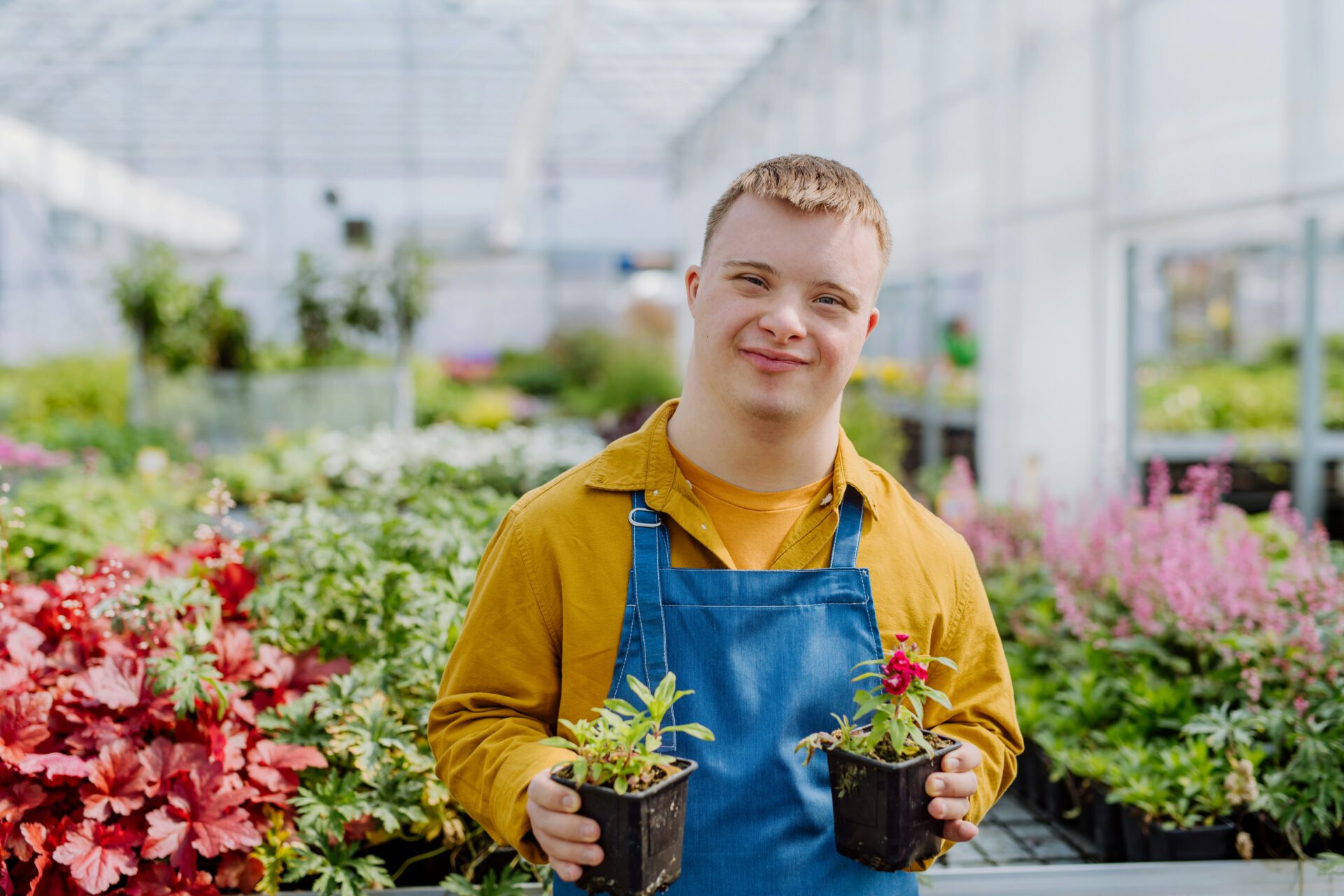
Community Engagement & Independent Living
Community Engagement and Independent Living
As a parent, you want to help your child with disabilities prepare for a future where they can live as independently as possible and be part of their community. Every young adult has different needs and goals for where they will live, work, and spend their time.
Independence involves many skills, like cooking meals, managing money, keeping a home clean, finding a place to live, getting around, taking care of their health, and building friendships. Growing up is exciting, but it can also bring questions and challenges—especially for youth with disabilities.
The resources on this page can help you support your child in planning and building the skills they need for a more independent future!