
Glad you're here!
This website is here to help students with disabilities learn, grow, and find helpful tools to speak up for yourself and set goals for your future. Explore resources, tips, and information that can support your success. You belong here, and we’re excited to help you reach your goals.
Quick Links
Skills I Need for My Best Future
I Can statements help me understand the skills I need to work on to live my best life. They help me take part in planning for my future and in my IEP meetings. These statements show me how I am growing over time. They help me learn about myself, speak up for what I need, and set goals. I Can statements also support good conversations between me, my family, my teachers, and other people who help me plan my transition.
Self-Determination
Student Involvement in the IEP
- I can introduce my parent and one of my teachers.
- I can share information about myself, like my name, birthday, and family.
- I can share things about me in my “All About Me” page or activity.
- I can tell others 1 to 3 of my strengths, likes, and dislikes.
Self-Management and Personal Responsibility
- I can follow classroom routines with help from an adult.
- I can use pictures, labels, schedules, and timers to help me stay on track.
- I can put my school supplies and personal things where they belong with help.
- I can choose tools that help me stay organized when an adult helps me.
Positive Identity and Disability Identity
- I can name things I am good at.
- I can notice ways people are the same and different.
- I can learn that everyone has different abilities.
- I can understand that disabilities can be part of who a person is and that everyone has strengths and talents.
Education and Training
Career Exploration and Work-Based Learning
- I can help with classroom jobs and activities.
- I can learn that adults around me have different jobs and roles.
Least Restrictive Environment & Participation
- I can join classroom and school activities with my classmates.
- I can work and play with others with help when I need it.
Access & Supports
- I can use tools and help from adults to learn new things.
- I can tell when I need help.
Transition Planning
- I can share things I like, do not like, and want to do.
- I can understand that school helps me learn and grow.
Employment
Career Exploration
- I can learn that adults have different jobs.
- I can learn about different jobs through play, stories, and class activities.
- I can think about what I like and what activities I enjoy.
Workplace Knowledge
- I can learn that places where people work have rules and routines.
- I can show safe behavior, listen, and follow directions when I am with a group.
Employability & Work Habits
- I can practice work habits by joining group activities, following simple directions, taking turns, sharing materials, and finishing tasks with help.
Career Planning
- I can learn that school and learning help me grow and get ready for future work.
- I can help with activities that connect classroom jobs and tasks to real life.
Support Use
- I can tell when I need help and ask for help when someone reminds me.
- I can use things like pictures, reminders, and help from adults to finish my work.
Independent Living
Self-Care
- I can get dressed, stay clean, use privacy skills, and ask for help.
Meals and Cooking
- I can choose healthy foods, use a fork and spoon, get a snack, and help with a meal.
Household Chores and Maintenance
- I can clean my room and help with chores.
Healthcare
- habits and take care of myself with help.
Safety and Emergency Preparedness
- I can follow safety rules, stay with my group, know who is safe to talk to, notice when something feels unsafe, and ask for help.
Technology and Digital Responsibility
- I can use technology safely with an adult, follow rules, ask for help, and keep my information private.
Money Management and Financial Skills
- I can tell what I need and what I want, make simple choices about spending money, and save a little with help.
Community Participation and Belonging
- I can stay with my group and follow safety rules when walking or riding.at school or in the community.
Healthy Relationships
- I can get along with classmates by taking turns, sharing, using kind words, and asking an adult for help when problems happen.
Transportation and Mobility
- I can move safely from place to place with help by staying with my group, following safety rules, and practicing safe behavior when walking, riding, arriving, leaving, and going on short trips.
Housing and Community Living
- I can learn that people can live in different places in the community.
Self-Determination
Student Involvement in the IEP
- I can name the people on my IEP team and tell what they do with help.
- I can share facts about myself, like my name, birthday, age, address, friends, and pets.
- I can share 3 things I am good at, 3 I like, and 3 things I don’t like, my interests, and things I need help with.
- I can share 1 of my IEP goals.
- I can share 1 support that helps me learn.
Self-Management and Personal Responsibility
- I can use tools like checklists, folders, timers, and picture schedules with help.
- I can stay organized during class activities with support.
- I can use simple tools to help keep my school materials organized.
- I can begin choosing tools that help me finish my work.
- I can name tools that help me stay organized and ready to learn.
Positive Identity and Disability Identity
- I can tell others about my strengths needs, and ways I learn best.
- I can share what helps me learn and take part in activities.
- I can learn about ways people use supports to help them succeed.
- I can learn that people with disabilities can use supports at school and in the community.
- I can understand that everyone needs help sometimes, and asking for support is part of learning and growing.
Education and Training
Career Exploration and Work-Based Learning
- I can learn about different jobs and ways people help others.
- I can tell that adults in my school and community have different jobs.
Least Restrictive Environment & Participation
- I can take part in class and school activities with the help I need.
- I can learn, play, and work with other students.
Access & Supports
- I can tell that tools and supports help me learn.
- I can use my supports and accommodations when an adult helps me.
Transition Planning
- I can think about the things I like and want to do.
- I can talk about what I like to learn, what I like to do, and my goals for the future.
Employment
Career Exploration
- I can notice my interests, likes, and things I do well.
- I can learn that people have different jobs and try learning about new jobs in class, stories, and from guests.
Workplace Knowledge
- I can learn that jobs have different roles and places where people work.
- I can learn about workplace rules like listening, being safe, and respecting others.
Employability & Work Habits
- I can follow directions, finish tasks, work with others, take turns, and stay on task with help.
Career Planning
- I can learn that school helps me get ready for future jobs.
- I can share simple ideas about jobs I may want and work on small goals with help.
Support Use
- I can find an adult or tool that can help me when needed.
- I can practice asking for help and use supports in my classwork.
Independent Living
Self-Care
- I can stay clean, get dressed, use privacy skills, and ask for help when I need it.
Meals and Cooking
- I can make simple meals, choose healthy foods, and clean up with reminders.
Household Chores and Maintenance
- I can do chores like cleaning my space, starting laundry.
- I can use tools and appliances safely with reminders.
Healthcare
- I can learn healthy habits.
- I can asks questions at doctor visits, know my doctors and nurses, and name my medicines.
Safety and Emergency Preparedness
- I can follow safety rules, know trusted adults, notice unsafe situations, join safety practice routine like tornado and fire drills, and ask for help.
Technology and Digital Responsibility
- I can use technology safely with adult help.
- I can use basic digital tools and ask for help.
- I can tell a parent or trusted adult if things online are unsafe or confusing, and keep my information private.
- Money Management and Financial Skills
- I can follow a simple budget, save money for goals, and make spending choices.
- I can learn about planning for the future with my money.
Community Participation and Belonging
- I can join school and classroom activities by following rules, being respectful, staying safe, and staying with my group.
Healthy Relationships
- I can build positive friendships by showing respect, being kind, using good boundaries, working with others, and solving small problems with help.
Transportation and Mobility
- I can follow safety rules and stay with my group, and notice signs and important places when I walk, ride, or bike with help.
Housing and Community Living
- I can learn about different places people live in the community.
Self-Determination
Student Involvement in the IEP
- I can introduce the people on my IEP team and tell what they do with a little help.
- I can share facts about myself, like my name, birthday, age, address, friends, and pets.
- I can share 3–5 strengths, likes and dislikes, interests, and things I want to get better at.
- I can share 2 of my IEP goals.
- I can share 2 supports that helps me learn.
Self-Management and Personal Responsibility
- I can keep my school materials organized and follow daily routines with some help.
- I can use tools like homework logs, to-do lists, color folders, and timers to help me stay on track.
- I can plan the steps for short assignments with help.
- I can choose tools that help me finish my classwork and stay organized.
- I can keep track of my belongings and school materials in different places with support.
Positive Identity and Disability Identity
- I can talk about things I am good at with confidence.
- I can talk about things that are hard for me in a kind and respectful way.
- I can learn that a disability can be one part of who a person is.
- I can understand that many people have disabilities.
- I can learn about groups of people with disabilities and their shared experiences.
Education and Training
Career Exploration and Work-Based Learning
- I can learn about different jobs through school and classroom activities.
- I can tell how different jobs help people at school and in my community.
Least Restrictive Environment & Participation
- I can take part in class and school activities with the help I need.
- I can share ideas that help me get along and work well with others.
Access & Supports
- I can name tools and supports that help me learn and join activities.
- I can use my supports more on my own.
Transition Planning
- I can tell others about my strengths, interests, and things I like.
- I can talk about my goals and dreams for the future.
- I can name new skills I would like to learn.
Employment
Career Exploration
- I can learn about my interests, what I like, and what I do well, and think about jobs and activities that match them.
- I can learn that jobs need different skills and responsibilities by doing class activities, listening to stories, and hearing from guest speakers.
Workplace Knowledge
- I can explain that jobs have different roles, responsibilities, and places where people work.
- I can show workplace behaviors by following directions, being safe, acting responsibly, and treating others with respect.
Employability & Work Habits
- I can build work habits by finishing tasks, working with others, following routines, and staying focused with less help.
Career Planning
- I can explain how what I learn at school can help me with future jobs and opportunities.
- I can talk about jobs I may like and help set short-term goals with support.
Support Use
- I can tell when I need help and choose an adult, tool, or way to help me.
- I can ask for help and use supports to finish my classwork.
Independent Living & Community Participation
Self-Care
- I can stay clean, get dressed, use privacy skills, and ask for help when I need it.
Meals and Cooking
- I can make healthy food choices, prepare simple meals, and clean up by myself.
Household Chores and Maintenance
- I can do chores, clean my space and shared spaces, and help with laundry.
- I can use simple household tools and appliances safely.
Healthcare
- I can show healthy habits.
- I can talk about my symptoms.
- I can use a simple list of my medicines.
Safety and Emergency Preparedness
- I can use safety skills at home and in the community, know the difference between strangers and trusted adults, practice safety drills, and ask for help.
Technology and Digital Responsibility
- I can use technology safely with help when needed.
- I can begin to try to fix problems.
- I can tell if information is trustworthy
- I can protect my personal information, and use digital tools more on my own.
Money Management and Financial Skills
- I can make and follow a simple budget, save for things I want, and make smart spending choices.
- I can learn how planning helps in the future.
Community Participation and Belonging
- I can take part in school and community activities, follow expectations, and show safe and respectful behavior.
Healthy Relationships
- I can build friendships by showing respect and kindness, using healthy boundaries, and solving small problems with help.
Transportation and Mobility
- I can move safely in school and the community by following signs, staying aware, and using safe behavior when I walk, bike, or ride.
Housing and Community Living
- I can tell where I live now and learn about different types of housing in the community.
Self-Determination
Student Involvement in the IEP
- I can tell who is at my IEP meeting and what each person does.
- I can share facts about myself, like my name, birthday, age, address, friends, and pets.
- I can share my strengths, likes, dislikes, interests, and what I need.
- I can share 3 of my IEP goals.
- I can share 3 supports that help me learn.
Self-Management and Personal Responsibility
- I can use checklists, timers, and simple planners with less help.
- I can organize my materials and finish work.
- I can keep track of due dates using planners, calendars, or apps.
- I can choose tools that help me manage my work and materials.
- I can change the steps I use to finish my work with help.
Positive Identity and Disability Identity
- I can explain how supports help me learn and take part in activities.
- I can name tools, strategies, and supports that help me do my best.
- I can understand that people with disabilities are part of many communities.
- I can learn that disability communities may talk about their experiences, culture, or goals.
- I can understand that disability is one part of who a person is and how they belong.
Education and Training
Career Exploration and Work-Based Learning
- I can learn about different jobs that match the things I like and do well.
- I can tell what people do in different jobs and the skills they use.
Least Restrictive Environment & Participation
- I can join class, school activities, and events with the help I need.
- I can work and get along with other students as part of a team.
Access & Supports
- I can tell which tools and supports help me learn and do my best.
- I can use my supports and accommodations more on my own.
Transition Planning
- I can tell others about my strengths, interests, and goals for the future.
- I can talk about my future plans and what I want to be or do when I grow up.
Employment
Career Exploration
- I can explain how my interests, likes, and strengths can help me think about jobs I may want in the future.
- I can compare the skills and jobs people do in different kinds of work.
Workplace Knowledge
- I can explain how job duties, responsibilities, and workplaces help people do their jobs well.
- I can show workplace skills in class by being responsible, communicating, working with others, staying safe, and showing respect.
Employability & Work Habits
- I can show more independence by finishing tasks, staying organized, working with others, following routines, and taking care of my responsibilities with only a little help.
Career Planning
- I can explain how what I learn, my skills, and my interests connect to future jobs and opportunities.
- I can identify jobs I may like, learn more about them, and set short-term goals with less help.
Support Use
- I can decide when I need help and choose supports that work best for me.
- I can ask for help, use supports on my own, and decide if they help me do better in class tasks.
Independent Living & Community Participation
Self-Care
- I can do self-care routines like staying clean, getting dressed, and using privacy skills and asking for help when I need it.
Meals and Cooking
- I can make healthy food choices, prepare simple meals, and clean up by myself.
Household Chores and Maintenance
- I can do household chores, clean my space and shared spaces, and do laundry tasks.
- I can use household tools and appliances safely.
Healthcare
- I can set 1 to 3 healthy goals, like drinking water, getting enough sleep, or exercising.
- I can speak first at my health visits, answer simple questions, and practice checking my appointment date and time.
- I can keep track of my medicine every day by using a checklist or another tool.
Safety and Emergency Preparedness
- I can follow safety routines, notice warning signs, respond safely in dangerous situations, know safe adults, and ask for help or follow directions to stay safe.
Technology and Digital Responsibility
- I can use technology and online tools the right way with fewer reminders.
- I can start to fix simple problems with my technology.
- I can tell if information online is true or not true.
- I can protect my personal information and use digital tools more safely on my own.
Money Management and Financial Skills
- I can make and follow a budget, track my spending and saving, make smart choices about needs and wants.
- I can understand how money choices affect my goals.
Community Participation and Belonging
- I can take part in school and community activities, follow rules, show responsible behavior, and stay safe in different situations.
Healthy Relationships
- I can build and keep healthy friendships by using respectful words, showing kindness, using boundaries, and solving problems on my own.
Transportation and Mobility
- I can move safely in school and the community by following signs and directions and staying safe when I walk, ride, or wait.
Housing and Community Living
- I can learn about different types of housing in my community and describe where I live now.
Self-Determination
Student Involvement in the IEP
- I can introduce my IEP team members and tell what each person does.
- I can share information about myself in an “All About Me” way.
- I can tell 3–8 of my strengths, 3-5 of my likes and dislikes, my interests, and my needs.
- I can talk about what I want to be when I grow up.
- I can describe my disability or disabilities in my own words.
- I can share how I am doing on 2 of my past IEP goals.
- I can share 3 IEP goals.
- I can explain 3 supports that help me learn.
Self-Management and Personal Responsibility
- I can follow routines for organization, finishing tasks, self-care, and responsibilities.
- I can use routines at home and at school with more independence.
- I can choose tools like planners, checklists, or apps to help me.
- I can use tools that help me manage my daily routines and responsibilities.
- I can complete tasks and handle responsibilities with help when I need it.
Positive Identity and Disability Identity
- I can understand that disability is one part of who I am.
- I can tell my strengths, needs, and life experiences.
- I can learn how my experiences connect to disability history.
- I can learn about disability culture and community.
- I can explain how my strengths and needs help shape who I am and where I belong.
Education and Training
Career Exploration and Work-Based Learning
- I can take part in activities that teach me about jobs and careers.
- I can help with tasks at school.
Least Restrictive Environment & Participation
- I can work with others, share jobs, and help reach a goal together.
- I can share my ideas and help everyone feel included.
Access & Supports
- I can use supports and accommodations when someone helps me.
- I can learn about technology that can help me.
Transition Planning
- I can learn about planning for my future.
- I can share my interests and the things I like to help plan for my future.
Employment
Career Exploration
- I can compare different jobs and the skills and responsibilities they need, and I can learn that some workers use supports to help them do their jobs.
- I can take part in career activities like guest speakers and career days.
Workplace Knowledge
- I can begin to see how my strengths, likes, and interests connect to jobs and different workplaces.
- I can show workplace skills in school by being responsible, communicating, working with others, staying safe, and showing respect.
Employability & Work Habits
- I can practice listening, taking turns, and following directions.
- I can learn what it means to be responsible.
Career Planning
- I can learn that school helps me get ready for future jobs.
- I can share simple ideas about jobs I may want when I grow up.
Support Use
- I can know when I need help and ask for help in my classroom.
Independent Living & Community Participation
Self-Care
- I can do self-care routines like staying clean, getting dressed, and using privacy skills and asking for help when I need it.
Meals and Cooking
- I can make healthy food choices, prepare simple meals, and clean up by myself.
Household Chores and Maintenance
- I can do household chores, clean my space and shared spaces, and do laundry tasks.
- I can use household tools and appliances safely.
Healthcare
- I can set 1 to 3 healthy goals, like drinking water, getting enough sleep, or exercising.
- I can speak first at my health visits, answer simple questions, and practice checking my appointment date and time.
- I can keep track of my medicine every day by using a checklist or another tool.
Safety and Emergency Preparedness
- I can follow safety routines, notice warning signs, respond safely in dangerous situations, know safe adults, and ask for help or follow directions to stay safe.
Technology and Digital Responsibility
- I can use technology and online tools the right way with fewer reminders.
- I can start to fix simple problems with my technology.
- I can tell if information online is true or not true.
- I can protect my personal information and use digital tools more safely on my own.
Money Management and Financial Skills
- I can make and follow a budget, track my spending and saving, make smart choices about needs and wants.
- I can understand how money choices affect my goals.
Community Participation and Belonging
- I can take part in school and community activities, follow rules, show responsible behavior, and stay safe in different situations.
Healthy Relationships
- I can build and keep healthy friendships by using respectful words, showing kindness, using boundaries, and solving problems on my own.
Transportation and Mobility
- I can move safely in school and the community by following signs and directions and staying safe when I walk, ride, or wait.
Housing and Community Living
- I can learn about different types of housing in my community and describe where I live now.
Self-Determination
Student Involvement in the IEP
- I can introduce myself and the people on my IEP team and tell what they do.
- I can share 3–8 strengths, 3–5 likes and dislikes, my interests, and my needs.
- I can talk about where I want to go to school and work after high school and how my strengths and interests help me reach my goals.
- I can describe my disability in my own words and explain how it affects me.
- I can explain what helps me learn best.
- I can explain how my disability affects my learning.
- I can share my progress on at least two of my past goals.
- I can share at least three IEP goals and one accommodation or modification that helps me learn.
Self-Management and Personal Responsibility
- I can become more independent in organization, time management, and daily living tasks.
- I can manage my responsibilities in different places, like home and school.
- I can choose tools like digital calendars, alarms, or reminders to help me.
- I can use tools to keep track of my assignments, materials, and daily tasks.
- I can change my routines and strategies when my responsibilities change.
Positive Identity and Disability Identity
- I can think about who I am, including my disability, culture, and values.
- I can understand that disability is one part of who I am.
- I can learn about people with disabilities who are leaders and positive role models.
- I can learn about disability communities that work for access and inclusion.
- I can name ways people help others feel included and like they belong.
Education and Training
Career Exploration and Work-Based Learning
- I can learn about many different careers.
- I can take part in school or community activities that help me learn about work.
Least Restrictive Environment & Participation
- I can make and keep good friendships with classmates at school and in activities.
- I can work with others in a group by sharing ideas, doing my part, and helping my team.
Access & Supports
- I can tell when I need help and why it helps me.
- I can use assistive technology with less help.
Transition Planning
- I can take part in talks about my future and what I might like to do.
- I can share my interests and start thinking about jobs that may match them.
Employment
Career Exploration
- I can identify my strengths, interests, likes, and skills that connect to work.
- I can explore different career groups through planned activities.
Workplace Knowledge
- I can explain simple job duties, workplace rules, and ways to stay safe at work.
- I can identify supports and accommodations that help workers do their jobs successfully.
Employability & Work Habits
- I can practice communicating, working with others, and finishing tasks with help.
- I can practice being on time and staying focused on my work.
Career Planning
- I can explain how school subjects connect to different jobs.
- I can set simple short-term goals based on my interests.
Support Use
- I can practice asking for help in structured settings.
Independent Living & Community Participation
Self-Care
- I can do more of my self-care routines on my own, stay clean, use privacy skills, and ask for help with my health.
Meals and Cooking
- I can make healthy food choices, help make snacks and meals, and help clean up
Household Chores and Maintenance
- I can help with household chores, do laundry, clean my room.
- I can use tools safely with adult help.
Healthcare
- I can learn healthy habits.
- I can take part in doctor visits, learn about my health and treatments.
- I can speak up for myself. and ask and answer questions.
- I can keep track of my medicine.
Safety and Emergency Preparedness
- I can follow safety rules at home and in the community, know the difference between trusted adults and strangers, notice unsafe situations, follow safety steps, and get help with needed.
Technology and Digital Responsibility
- I can use technology and social media safely.
- I can ask for help to solve technology problems.
- I can learn which information I can trust.
- I can protect my personal information, and use digital tools safely.
Money Management and Financial Skills
- I can know the difference between needs and wants and practice a simple budget with help.
- I can begin to save small amounts of money.
Community Participation and Belonging
- I can take part in community activities like sports and hobbies, communicate, understand social cues, and act appropriately in public.
Healthy Relationships
- I can build positive friendships by showing respect, being kind, and using healthy boundaries.
Transportation and Mobility
- I can use school and community transportation with help by finding stops, reading simple signs, and practicing safe behavior.
Housing and Community Living
- I can learn about different places people live in the community and share what I like and do not like about them.
Self-Determination
Student Involvement in the IEP
- I can help pick a date and time for my IEP meeting with my parents and teachers.
- I can take part in transition assessments about my future.
- I can help create my goals for after high school and my yearly transition goals.
- I can introduce myself and the members of my IEP team and tell what they do.
- I can share 3–8 strengths, 3–5 likes and dislikes, my interests, and my needs.
- I can talk about where I want to go to school and work after high school and how my strengths and interests connect to my goals.
- I can explain what helps me learn best.
- I can describe my disability in my own words and explain how it impacts my learning to my IEP team.
- I can explain how my disability affects my learning.
- I can share my progress on at least three of my past goals.
- I can share at least three IEP goals and the supports or changes I need to reach them.
Self-Management and Personal Responsibility
- I can be more independent with personal responsibility, organization, and daily living skills.
- I can use routines at school, at home, and in the community.
- I can choose tools that help me with schedules, tasks, and routines.
- I can use tools to manage my materials, responsibilities, and daily tasks.
- I can change my tools and routines to help me stay organized and finish my responsibilities.
Positive Identity and Disability Identity
- I can describe how a disability may affect my learning and participation.
- I can explain how my disability can help me speak up for myself.
- I can name supports that help me learn, join in, and have access.
- I can explore ways to connect with peers or groups.
- I can see how shared interests, needs, or disability experiences help me feel like I belong.
Education and Training
Career Exploration and Work-Based Learning
- I can connect the things I like to possible jobs for my future.
- I can take part in work activities with more independence, like volunteering or beginner jobs when appropriate.
Least Restrictive Environment & Participation
- I can join class, school, and activity groups on my own.
- I can talk, work with others, and solve problems to reach a goal together.
Access & Supports
- I can ask for and use the supports and services I need in different places.
- I can ask for and use assistive technology on my own in different places.
Transition Planning
- I can help make plans for my future goals before high school or before I turn 15.
- I can help choose classes that match my interests and future job ideas.
- I can share my ideas and take part in making plans for my future.
Employment
Career Exploration
- I can identify my strengths, interests, likes, and skills that connect to jobs I may want in the future.
- I can take part in career exploration activities like job fairs and workplace visits.
Workplace Knowledge
- I can explain job duties, workplaces, employer expectations, and safety rules in more detail.
- I can explain how supports and accommodations help workers do their jobs safely and successfully, and tell when they may be needed.
Employability & Work Habits
- I can show good work habits by communicating, getting along with others, being on time, following directions, and finishing my work.
- I can be responsible by finishing tasks, managing my time, staying focused, and meeting expectations in work practice activities.
Career Planning
- I can explain how education helps me prepare for different jobs and careers.
- I can set goals for future jobs and the training I may need.
Support Use
- I can ask for help on my own and use supports the right way in work or practice work activities.
Independent Living & Community Participation
Self-Care
- I can manage my self-care routines with fewer reminders, stay clean, use privacy skills, and ask for help with my health when I need it.
Meals and Cooking
- I can make healthy food choices, prepare simple meals with some help by organizing ingredients and steps, and clean up on my own.
Household Chores and Maintenance
- I can do household chores, sort and wash laundry, and do cleaning tasks.
- Safely use tools and appliances at home.
Healthcare
- I can learn about healthy things.
- I can take care of my health more on my own.
- I can speak up for myself.
- and what they do, keep track of refills, and practice making appointments.
Safety and Emergency Preparedness
- I can use notice and tell a trusted adult about unsafe situations, follow emergency plans, and respond to danger by getting help right away.
Technology and Digital Responsibility
- I can use technology and social media responsibly with little help.
- I can try to fix simple technology problems.
- I can tell if online information is real or not.
- I can protect my personal information and use digital tools safely and independently.
Money Management and Financial Skills
- I can make and follow a budget, use a checking or savings account with help, make smart choices about spending and saving money.
- I can learn how my money choices can help me reach my future goals.
Community Participation and Belonging
- I can take part in community activities on my own while using good communication, social skills, and appropriate behavior.
Healthy Relationships
- I can build and keep healthy friendships, make new friends, and show respect, empathy, and healthy boundaries.
Transportation and Mobility
- I can use transportation more independently, find stops, read schedules, stay safe, and plan simple routes.
Housing and Community Living
- I can think about different housing options and share which types best fit my needs for safety, comfort, and independence.
Self-Determination
Student Involvement in the IEP
- I can help pick a time for my IEP meeting with my family and teachers.
- I can invite one of my general education teachers to my IEP meeting.
- I can take part in transition assessments.
- I can help make my education and future goals in my IEP.
- I can introduce myself and the people at my IEP meeting. I can tell what each person at the IEP meeting does to help me.
- I can share my strengths, interests, favorite activities, and needs.
- I can talk about my future goals and how my interests and strengths connect to them.
- I can explain how my disability affects my learning.
- I can talk about how I am doing on my goals.
- I can describe my disability and how it impacts my learning to my IEP team, my family, and my teachers outside the IEP meeting.
- I can share at least 3 of my IEP goals, accommodations, or changes I need to reach them.
- I can share my transition goals for my IEP.
Self-Management and Personal Responsibility
- I can manage my time at school, at home, and in my community.
- I can use a planner, app, or calendar to keep track of my tasks and activities.
- I can break big assignments into smaller steps.
- I can finish my work and responsibilities on time with only a little help from adults.
- I can ask for help when I need support.
Rights and Adult Responsibilities
- I can learn about the rights and responsibilities people have when they turn 18.
- I can learn about choices people can make as adults.
- I can learn how IDEA helps students in school.
- I can learn how IDEA helps students in school.
- I can tell some basic differences between IDEA, Section 504, and the ADA.
Positive Identity and Disability Identity
- I can talk about my strengths, needs, disability, and who I am.
- I can choose supports that help me learn and take part in activities.
- I can use communication skills that work best in different situations.
- I can join school, social, or community activities.
- I can explain how my identity and disability can connect to my choices, supports, and feeling like I belong.
Education and Training
Career Exploration and Work-Based Learning
- I can take part in work or volunteer activities that help me learn about my future.
- I can practice job skills like filling out applications and getting ready for interviews.
- I can keep track of the services and work experiences that help me reach my future goals.
Least Restrictive Environment & Participation
- I can take part in my classes to help me reach my future job and graduation goals.
- I can learn how to balance school, work activities, and time with others with help.
Access & Supports
- I can find and use, with help, the supports, accommodations, and tools that help me do well in school.
- I can learn about and keep track of technology that helps me with school, work, and living on my own.
Transition Planning
- I can work with my counselors, teachers, and transition team to make school and career goals.
- I can help make sure my goals, classes, and future plans match the job I want and talk about them at my IEP meeting.
- I can make sure my goals, classes, and diploma plan are written in my IEP.
- I can learn about different choices after high school, like college, career schools, and job training programs.
- I can learn what education, training, certificates, or licenses I need for the job I want.
Employment
Career Exploration
- I can identify careers that match my strengths, interests, and preferences.
- I can explore different career options, including working alone, working with a team, or owning my own business.
Workplace Knowledge
- I can explain that different careers need different types of education, training, and workplace skills.
- I can recognize that workplace readiness skills help people be successful at work.
Employability & Work Habits
- I can take part in beginning work experiences to practice workplace skills like communicating, working with others, and managing my time.
Career Planning
- I can explore classes, including CTE and college classes, that match my career interests.
- I can begin choosing a group of classes that connect to jobs I may want in the future.
Support Use
- I can identify accommodations and supports that help me succeed in school and work-based activities.
- I can learn about and use community resources like Pre-ETS and Vocational Rehabilitation with help.
Independent Living & Community Participation
Self-Care
- I can take care of myself on my own by staying clean, caring for my hair and skin, using privacy skills, and asking for help when I need it.
Meals and Cooking
- I can make simple meals by myself and clean up the kitchen after cooking.
Household Chores and Maintenance
- I can do laundry and regular chores, safely use household tools and appliances.
- I can begin to help with small home maintenance and repairs.
Healthcare
- I can learn about my health, including my feelings, medical needs, health conditions, and treatments.
- I can practice speaking up and asking questions during doctor visits.
- I can begin keeping track of my medicines.
- I can take part in planning and practicing what to do in a medical emergency.
- I can use healthy habits like choosing healthy foods, staying active, getting enough sleep, and taking care of myself.
Saftey and Emergency Preparedness
- I can show I understand safety at home and in the community by knowing trusted adults, recognizing strangers, noticing unsafe situations, following safety rules, and asking for help or telling someone when I have concerns.
Technology and Digital Responsibility
- I can use technology and social media in a responsible way.
- I can try to fix technology and assistive technology problems with some independence.
- I can tell the difference between information online that is true and information that may not be true.
- I can protect my personal information and privacy and use digital tools safely in different places.
Money Management and Financial Skills
- I can learn basic money skills like understanding accounts, credit, budgeting, and how money choices affect my future.
- I can begin learning about financial and legal choices that help support my future.
Community Participation and Belonging
- I can join school and community clubs or activities that match my interests and who I am by using good communication, paying attention to what is happening around me, and helping my group in simple ways.
Healthy Relationships
- I can understand the difference between healthy and unhealthy relationships and make safe choices with friends and other people.
Transportation and Mobility
- I can learn about and try different ways to get around, like walking, riding with family or friends, or using public transportation.
- I can begin learning how to plan trips by looking at routes and schedules and learning about driving rules with help.
Housing and Community Living
- I can learn about different housing options in my community and talk about where I might want to live in the future.
Self-Determination
Student Involvement in the IEP
- I can help plan the date and time for my IEP meeting with my family and teachers.
- I can invite one of my general education teachers to my IEP meeting.
- I can take transition assessments each year.
- I can help make my school and transition goals.
- I can introduce myself and the people in my IEP meeting and explain what the people do to help me.
- I can lead parts of my IEP meeting.
- I can share my strengths, interests, likes, and needs.
- I can talk about my future goals and how my strengths and interests connect to them.
- I can explain my disability in my own words and tell how it affects my learning.
- I can describe my disability and how it impacts my learning to my IEP team and to others, such as family, teachers, and friends.
- I can describe my disability and how it affects my learning and participation in community, work, or transition‑focused environments to my IEP team and others.
- I can talk about how I am doing on my goals.
- I can share at least 3 of my IEP goals and the help I need to reach my goals.
- I can share my transition goals for my IEP.
Self-Management and Personal Responsibility
- I can decide which tasks are most important at school, at home, at work, and in the community.
- I can use planners, reminder apps, or calendars to stay organized.
- I can keep a weekly schedule for my tasks and responsibilities.
- I can check my progress on assignments, activities, and responsibilities.
- I can change my plans when needed to stay on track.
Rights and Adult Responsibilities
- I can learn about legal rights and responsibilities that change when people turn 18.
- I can learn that IEP services end after graduation or when students age out of school services.
- I can explore choices and supports that help adults make decisions.
- I can learn about the differences between IDEA, Section 504, and the ADA.
- I can explain simple ways adults ask for supports and accommodations.
Positive Identity and Disability Identity
- I can feel good about who I am and my disability.
- I can explain that my disability is part of who I am.
- I can identify supports that help me be more independent.
- I can identify supports that help me stay healthy and feel good as an adult.
- I can explain how my strengths, needs, and supports can help me reach my future goals.
Education and Training
Career Exploration and Work-Based Learning
- I can take part in work experiences that help me learn and prepare for my future goals.
- I can practice job skills to get and keep a job with more independence.
Least Restrictive Environment & Participation
- I can join class and school activities on my own that help me reach my future goals.
- I can take part in school clubs and activities that match my plans for the future.
Access & Supports
- I can change and use my supports as I become more independent and plan for my future.
- I can use supports and tools help me at school, work, and in my community.
- I can use what I know about supports to help me in future school and jobs.
Transition Planning
- I can help update my future goals, school goals, and class plan with less help.
- I can take part in IEP meetings to help choose my classes and plan for my future.
- I can learn about what colleges and training programs require to get in and finish.
- I can learn about supports and services that help students in college or training programs.
Employment
Career Exploration
- I can choose my career interests based on my strengths and what I like.
- I can compare different work settings like working alone, working with a team, or owning a business to see what fits me best.
Workplace Knowledge
- I can explain that different jobs need different training, education, and work expectations.
- I can connect what jobs want me to do to my own career goals.
Employability & Work Habits
- I can show and use job skills like communication, teamwork, and time management in work or community activities with more independence.
Career Planning
- I can choose and plan classes, including CTE and college classes, that match my future career goals.
Support Use
- I can tell others what supports I need in school and in work or community settings.
- I can use community resources like Pre-ETS and VR to help me get ready for college and jobs with more independence.
Independent Living & Community Participation
Self-Care
- I can take care of my self-care routines on my own in different places, solve problems when challenges happen, and get help when I need it.
Meals and Cooking
- I can make meals more on my own by following recipes or meal plans, using safe cooking habits, and cleaning the kitchen and tools when I am done.
Household Chores and Maintenance
- I can do daily living tasks like laundry, cleaning, and organizing my home with more independence and accuracy.
- I can safely use common tools and appliances when needed for home maintenance.
Healthcare
- I can learn about my health, including mental health.
- I can keep track of medicines or appointments with help, refill prescriptions, and schedule visits.
- I can learn basic ideas about health insurance.
- I can speak up about my health needs at appointments.
- I can talk about my transition goals with my care team.
- I can follow emergency medical steps and keep important ID and records with help.
- I can practice healthy habits more often in different places.
Safety and Emergency Preparedness
- I can use safety skills more independently by knowing the difference between trusted adults and strangers, noticing and avoiding unsafe situations, making safe choices, using emergency contact information, and asking for help when I am in danger.
Technology and Digital Responsibility
- I can use technology and digital tools responsibly and safely in different places.
- I can try to fix my technology problems when they happen.
- I can tell if online information is true or not true.
- I can protect my personal information and privacy online.
Money Management and Financial Skills
- I can set up bank accounts with help and start taking care of them.
- I can make smart money choices and compare checking, savings, and credit options.
- I can learn about basic rules and responsibilities with money and the law.
Community Participation and Belonging
- I can join school and community activities, share my interests, speak up for myself, communicate, stay flexible in different places, and help my group by doing simple roles.
Healthy Relationships
- I can understand healthy relationships by setting boundaries, making safe choices, and asking for help when something feels unsafe.
Transportation and Mobility
- I can use different ways to get around on my own in familiar places, like walking, biking, riding with others, or using public transportation.
- I can make and follow a transportation plan and learn steps for driving and DMV readiness, and ask for DMV help if I need it.
Housing and Community Living
- I can look at different housing options and think about my needs, budget, safety, and independence to help me make choices.
Self-Determination
Student Involvement in the IEP
- I can help choose the date and time for my IEP meeting with my family and teachers.
- I can invite at least one general education teacher to my IEP meeting.
- I can take transition assessments each year.
- I can help make my school, future, and transition goals.
- I can introduce myself and the people at my IEP meeting and explain what each person at the meeting does to help me, including people from outside agencies.
- I can lead most or all of my IEP meeting.
- I can share my strengths, interests, preferences, needs, and accommodations.
- I can talk about my future goals and explain how my strengths and interests connect to them.
- I can explain my disability in my own words and tell how it affects my learning.
- I can describe my disability and how it affects my learning and participation in community, work, or transition‑focused environments to my IEP team and others.
- I can talk about how I am doing on my goals.
- I can share at least 3 of my IEP goals and the accommodations or changes I need to help me reach my goals.
- I can share my transition goals for my new IEP.
- I can talk about my classes and activities that help me prepare for the future.
- I can explain what the age of majority means in my own words.
Self-Management and Personal Responsibility
- I can keep track of my schedule for school, work, and community activities on my own.
- I can use calendars, apps, and checklists to stay organized.
- I can plan and finish long projects by myself.
- I can notice schedule problems or deadlines and make a plan to fix them.
- I can take care of myself while balancing school, work, and community activities.
Rights and Adult Responsibilities
- I can learn that my legal rights change when I turn 18.
- I can learn how IDEA, Section 504, and the ADA are different.
- I can understand that my IEP ends when I graduate or leave school because of my age.
- I can start planning for adult services and supports.
- I can learn about my rights, responsibilities, and support choices after high school.
Positive Identity and Disability Identity
- I can understand my disability, my strengths, what is important to me, and the supports I need
- I can make choices about school, work, and community activities.
- I can tell others what supports and accommodations I need to reach my goals after high school.
- I can learn how disability communities can give me support, resources, and people to connect with.
- I can understand how being part of a disability community can help me in adult life and help me feel confident and included.
Education and Training
Career Exploration and Work-Based Learning
- I can take part in advanced work experiences like internships or apprenticeships that help me reach my future goals.
- I can choose my classes and electives to match my interests and future job plans.
Least Restrictive Environment & Participation
- I can take part in challenging school classes and activities that help me reach my future goals.
- I can balance schoolwork, job activities, and time with others with less help.
Access & Supports
- I can learn the difference between IDEA, Section 504, and ADA.
- I can learn how to get supports and help in college or job training programs.
Transition Planning
- I can talk about and improve my future school, training, and job goals in my IEP meetings.
- I can follow a class plan that helps me earn my diploma and reach my future goals.
- I can learn about taking college or career tech classes while in high school.
- I can visit colleges, training programs, and attend information sessions.
- I can learn about ways to pay for college or training.
- I can take tests and complete requirements for college or training with help.
Employment
Career Exploration
- I can take part in real job experiences with others to learn about jobs I like and improve my career choices.
Workplace Knowledge
- I can show that I understand workplace expectations in real jobs by following job rules, meeting my responsibilities, knowing what my boss expects, and doing my work well in real job settings.
Employability & Work Habits
- I can build and use work skills like talking with others, managing my time, being responsible, getting along with others, and solving problems in school and community job activities.
- I can start making and updating a resume that shows my education, skills, and job experiences.
Career Planning
- I can make a career action plan to help me get a job by planning school, training, and job exploration steps.
- I can learn how to look for jobs, fill out applications, and practice interviews with help.
Support Use
- I can identify the supports I need at work and practice speaking up for myself with supervisors during work experiences.
Independent Living & Community Participation
Self-Care
- I can take care of myself at home, at school, and in my community by staying clean,respecting privacy, and making healthy choices.
Meals and Cooking
- I can prepare different kinds of meals on my own by following recipes, using kitchen tools safely, organizing cooking steps, and cleaning and taking care of the kitchen after cooking in different places.
Household Chores and Maintenance
- I can keep my own space and shared spaces clean and do my laundry on my own in different places.
- I can safely use household appliances and basic tools to help with home tasks.
Healthcare
- I can talk with doctors and mental health providers on my own.
- I can take care of my medicines and health papers.
- I can make and go to appointments.
- I can learn about health insurance and programs like Medicaid, Medicare, and state help.
- I can follow emergency health steps and ask for help when I need it.
- I can keep healthy habits like eating well, being active, sleeping, managing stress, and going to checkups.
Safety and Emergency Preparedness
- I can follow emergency plans in different places by noticing dangers, telling the difference between safe and unsafe people or actions, using my communication skills to ask for help or report problems, and practicing solving problems and making safe choices during drills and unexpected situations.
Technology and Digital Responsibility
- I can use technology in a responsible way at school, in the community, and at work.
- I can try to fix problems with technology and assistive technology on my own.
- I can tell if online information is true or not true, keep my personal information safe, and use digital tools safely and confidently.
Money Management and Financial Skills
- I can take care of my money accounts and follow a simple budget with help.
- I can learn about different choices besides guardianship.
- I can learn what special-needs trusts are.
- I can find and apply for adult services, Social Security benefits, and community supports when I need them.
Community Participation and Belonging
- I can engage in volunteer and community activities that match who I am and what I care about by building friendships, helping with group tasks, and taking simple roles like helping others or working with a team.
Healthy Relationships
- I can build and keep healthy friendships by making positive relationships with friends, mentors, and trusted adults and using good communication, boundaries, and problem-solving skills.
Transportation and Mobility
- I can practice and improve my transportation plan.
- I can learn to drive or get a license when it is right for me and ask for DMV help if I need it.
- I can follow routes with little help in different places.
Housing and Community Living
- I can explore and plan for where I might live after graduation and think about the supports I need to reach my housing goals.
Self-Determination
Student Involvement in the IEP
- I can pick a time for my IEP meeting with my family and teachers.
- I can invite a teacher from my regular classroom to my IEP meeting.
- I can take part in transition assessments each year.
- I can help make my school, future, and transition goals.
- I can introduce myself and the people at my IEP meeting and tell what they do.
- I can lead my IEP meeting.
- I can talk about my strengths, interests, needs, and the accommodations that works for me.
- I can share my future goals and explain how my strengths and interests help me reach them.
- I can explain my disability in my own words and how it affects my learning.
- I can talk about the progress I am making on my goals.
- I can share my new goals and the support I need to reach them.
- I can talk about my goals that will prepare me for life after high school.
- I can describe my disability and how it affects my learning and participation in community, work, or transition‑focused environments to my IEP team and others.
- I can explain the classes and activities that help me get ready for my future.
- I can explain what becoming an adult means for my rights and choices.
- I can help make my Summary of Performance and share it at my IEP meeting.
Self-Management and Personal Responsibility
- I can take care of my responsibilities at school, home, work, and in my community.
- I can choose and use tools that help me stay organized and get things done.
- I can remember my deadlines, appointments, and daily tasks.
- I can finish my responsibilities and follow through on what I need to do.
- I can manage my tasks on my own to get ready for life after high school.
Rights and Adult Responsibilities
- I can explain what it means to become an adult and have adult rights.
- I can talk about my responsibilities for school, health, money, and being a good citizen.
- I can explain that different laws help people with disabilities in different places as an adult.
- I can understand that my IEP ends when I graduate or leave school because of my age.
- I can make a plan for the help and services I may need after my IEP ends.
Positive Identity and Disability Identity
- I can talk about my disability and my personal strengths with confidence.
- I can identify the supports and accommodations I need to reach my goals after high school.
- I can explain how supports and accommodations help me be more independent and successful.
- I can understand that disability communities can help support adults in life and work.
- I can describe how being part of a disability community can help me feel strong and supported.
Education and Training
Career Exploration and Work-Based Learning
- I can show I am ready to get and keep a job or go to a training or education program.
- I can take part in work experiences that help me reach my school and future goals.
Least Restrictive Environment & Participation
- I can take part in school, work, and community activities on my own.
- I can show I am ready for adult responsibilities after high school.
Access & Supports
- I can find, ask for, and use the supports I need in school, after high school, and at work.
- I can learn about my rights and responsibilities as an adult.
Transition Planning
- I can show what I have learned and how I have grown toward my future goals in my IEP before I exit school.
- I can finish a class plan that helps me meet diploma requirements and my future goals.
- I can complete applications for college, training programs, or jobs.
- I can get help to fill out financial aid forms for college or training.
- I can check and confirm my plan after high school, like college, a job, or training.
- I can show I am ready to move into life after high school.
Employment
Career Exploration
- I can use real job experiences to help me choose and focus my future job goals.
Workplace Knowledge
- I can show I understand workplace expectations by meeting my employer’s standards in real jobs
Employability & Work Habits
- I can use workplace skills like communication, teamwork, time management, and responsibility more independently in real jobs.
- I can keep my resume up to date with my skills, work experiences, and readiness for jobs or training after high school.
Career Planning
- I can make and follow a career action plan that shows my goals for jobs after high school, including school, training, and next steps.
- I can look for jobs, fill out applications, and take part in interviews to help me get a job.
Support Use
- I can speak up for myself by telling others what I need at work and using supports to help me do my job well.
Independent Living & Community Participation
Self-Care
- I can take care of myself in different places, manage my health, and ask for help or speak up for myself when I need medical or personal support.
Meals and Cooking
- I can plan and make healthy meals on my own by using safe food habits, cooking safely, getting the groceries I need, and cleaning and taking care of the kitchen and cooking area at home or in the community.
Household Chores and Maintenance
- I can take care of my living space and do laundry on my own.
- I can safely use tools and appliances to do household jobs and simple repairs.
Healthcare
- I can talk with health-care providers on my own.
- I can take care of my medicines and health records.
- I can make and go to appointments.
- I can get services and make smart choices about insurance and forms with a little help and ask for support when I need it.
- I can keep healthy habits like eating well, being active, sleeping, managing stress, and getting checkups to stay healthy and get ready for adult life.
Safety and Emergency Preparedness
Technology and Digital Responsibility
Money Management and Financial Skills
Community Participation and Belonging
Healthy Relationships
Transportation and Mobility
Housing and Community Living
Self-Determination
Student Involvement in the IEP (Grades 13+), if applicable
- I can introduce the people on my IEP team, including my DRS Counselor and Pre-ETS Specialist, if they are part of my team.
- I can lead most or all of my IEP meeting.
- I can talk about my strengths, interests, needs, preferences, and the supports I use.
- I can share my postsecondary goals, annual goals, and my progress toward my goals and graduation requirements.
- I can describe my classes and activities that help me reach my future goals.
- I can describe my disability and how it affects my learning and participation in community, work, or transition‑focused environments to my IEP team and others.
- I can explain what the age of majority means in my own words.
- I can help create my Summary of Performance (SOP) and share it at my IEP meeting when needed.
Self-Management and Personal Responsibility
- I can take care of my daily routines and responsibilities on my own
- I can use tools like calendars, planners, apps, or reminders to help me stay organized.
- I can keep up with my responsibilities at home, school, work, and in my community.
- I can change my plans or strategies when things in my life change.
- I can finish what I start and follow through with my commitments.
Rights and Adult Responsibilities
- I can use my adult rights and responsibilities after I leave IDEA services.
- I can get help through Section 504 and the ADA when I need support.
- I can use adult service agencies to help me with school, work, and living on my own.
- I can identify supports I need to take part in my community.
- I can use adult systems with more independence and self-advocacy.
Positive Identity and Disability Identity
- I can understand my disability identity and my personal values.
- I can speak up for my rights, access, and inclusion.
- I can connect with disability communities for support, leadership, culture, and belonging.
- I can use supports that help me be independent.
- I can explain how my disability identity, community, and supports can help me in adult life.
Education and Training
Employment
Independent Living & Community Participation
Making My Voice Heard
The Power of Self-Advocacy
In this video, Dalton talks about how it was hard for him to share that he has ADHD, but he realized that getting help would make school and work easier for him. He explains that it’s okay to ask for support and to use the tools that help you do your best. In this video, he shares why using support isn’t a weakness but an act of strength, reminding us that self‑advocacy is not only important—it’s essential.
4 Easy Steps to Speak Up for Yourself
Know Yourself
Think about what you’re good at and what you want to get better at.
Learn Your Rights
If you have a disability, you can get help at school or work. Know what help you can ask for.
Speak Up
Share your ideas, ask questions, and tell someone if something isn’t fair.
Get Support
Continuing to Learn
Keep Learning After High School
Your learning journey doesn’t have to stop after high school! You can go to college, a trade school, or a job training program. You could also join the military, do an internship, or learn through an apprenticeship. There are so many exciting choices!
The more school or training you complete, the better your chances are of getting a great job and earning more money.
School after high school is different. If you have a disability, you’ll need to know your rights and speak up for the help you need. Your family, teachers, and friends can support you as you learn to advocate for yourself.
To be ready, make a plan! Think about what you love to do, what you’re good at, and what kind of support will help you succeed. Your future is bright! Start exploring your options today.
College
Attending college is possible with the right support, resources, and confidence in your abilities.
Curious about college options in Oklahoma? Head to OK College Start Virtual Tours and start exploring.
Career Tech
Attending a career tech or trade school is a great way to learn hands‑on skills for real jobs. You can train, build confidence, and prepare for a strong career.
Job Training
 Doing an internship or on‑the‑job training after high school can build real work skills. It’s a great way to gain experience, grow confidence, and get ready for a future career.
Learn more at Work Ready Oklahoma.
Military
Joining the military has strict health and fitness rules, but many students with disabilities can still find paths to serve. Your strengths and abilities may fit certain roles or supports, and exploring your options is a great place to start. Learn more at Careers in the Military.
Oklahoma IPSE: Growing Programs, Growing Voices
Oklahoma IPSE programs for students with intellectual disabilities are in full swing this Fall, with larger groups of students than ever before!
Across the state, students are diving into typical college life—getting used to roommates, finding their classes, figuring out their schedules, deciding where to eat, and, most importantly, starting to discover their own voice. This semester is especially exciting because a brand‑new non-residential IPSE program launched at Oklahoma City Community College (OCCC), with four students joining the T3 program and studying in Digital Cinema Production. Trailblazers Thrive Together (T3) is supported by the Pathways to Partnerships Grant.
We’re also looking forward to updates from the residential Oklahoma IPSE programs, including NSU’s RiverHawks Scholar Program, OU’s Sooner Works, and OSU’s Opportunity Orange Scholars. These programs for students with intellectual disabilities are a great option to continue to learn!
Want to learn more? Visit OK IPSE Alliance.
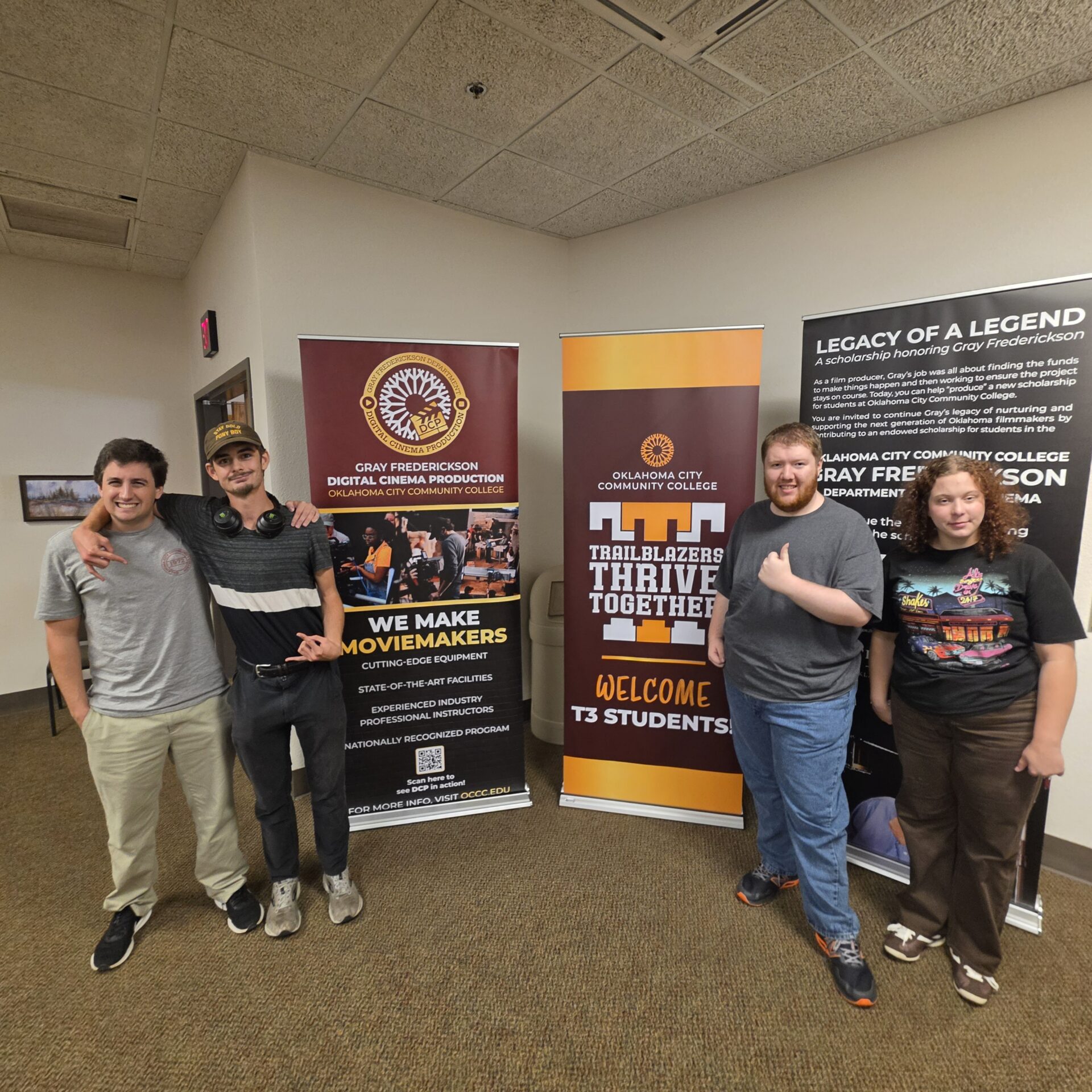
Oklahoma City Community College - Trailblazers Thrive Together (T3)
Launching in Fall 2026, T3 will become Oklahoma’s first nonresidential Inclusive Postsecondary Education (IPSE) program for students with intellectual and developmental disabilities. The program plans to pursue CTP approval and will begin with its Digital Cinema Production pathway, where students can build skills in storytelling, video editing, audio production, teamwork, and career preparation while earning a certificate or micro‑credential. For more information, email ryan.e.beaty@occc.edu.
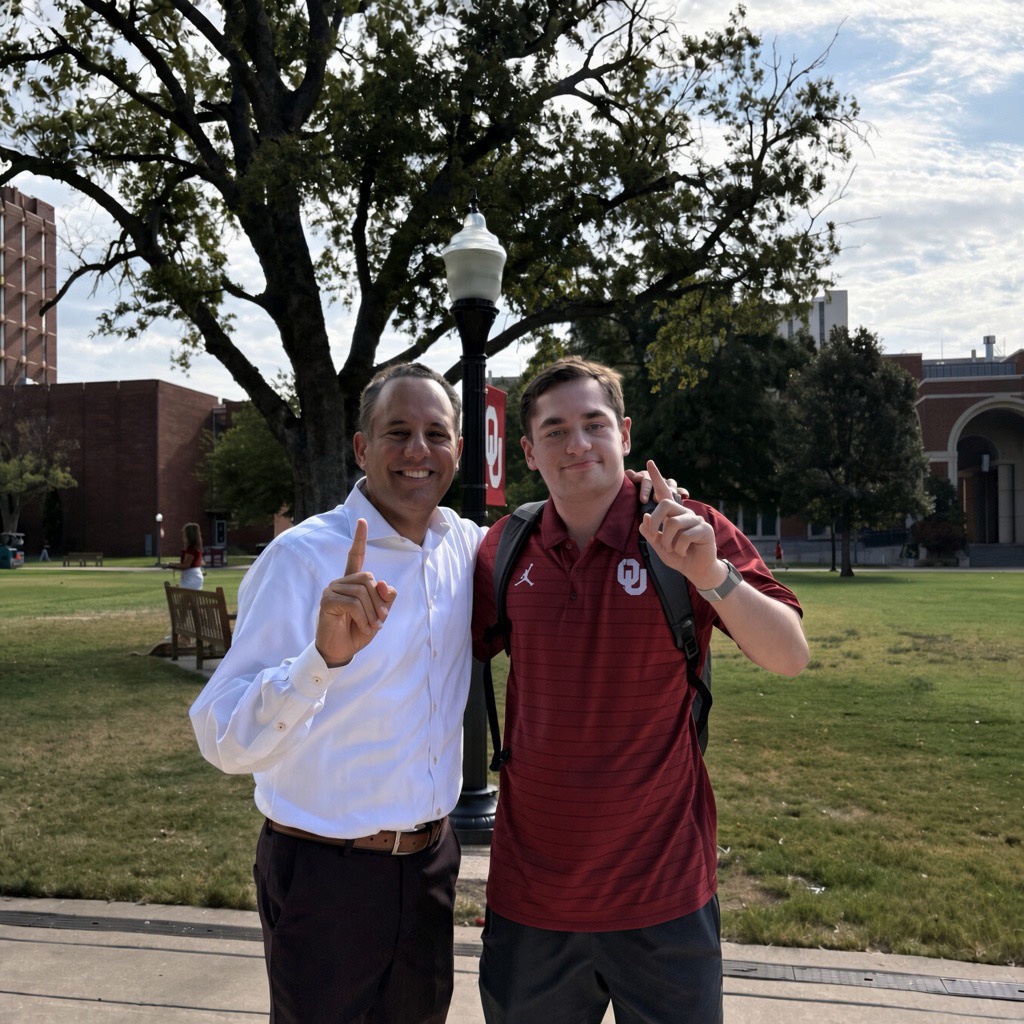
University of Oklahoma: Sooner Works
Sooner Works is a four‑year program at the University of Oklahoma designed for students with intellectual or developmental disabilities. It helps students build skills in academics, independent living, career development, and social life while learning and participating alongside their same‑age peers at OU.
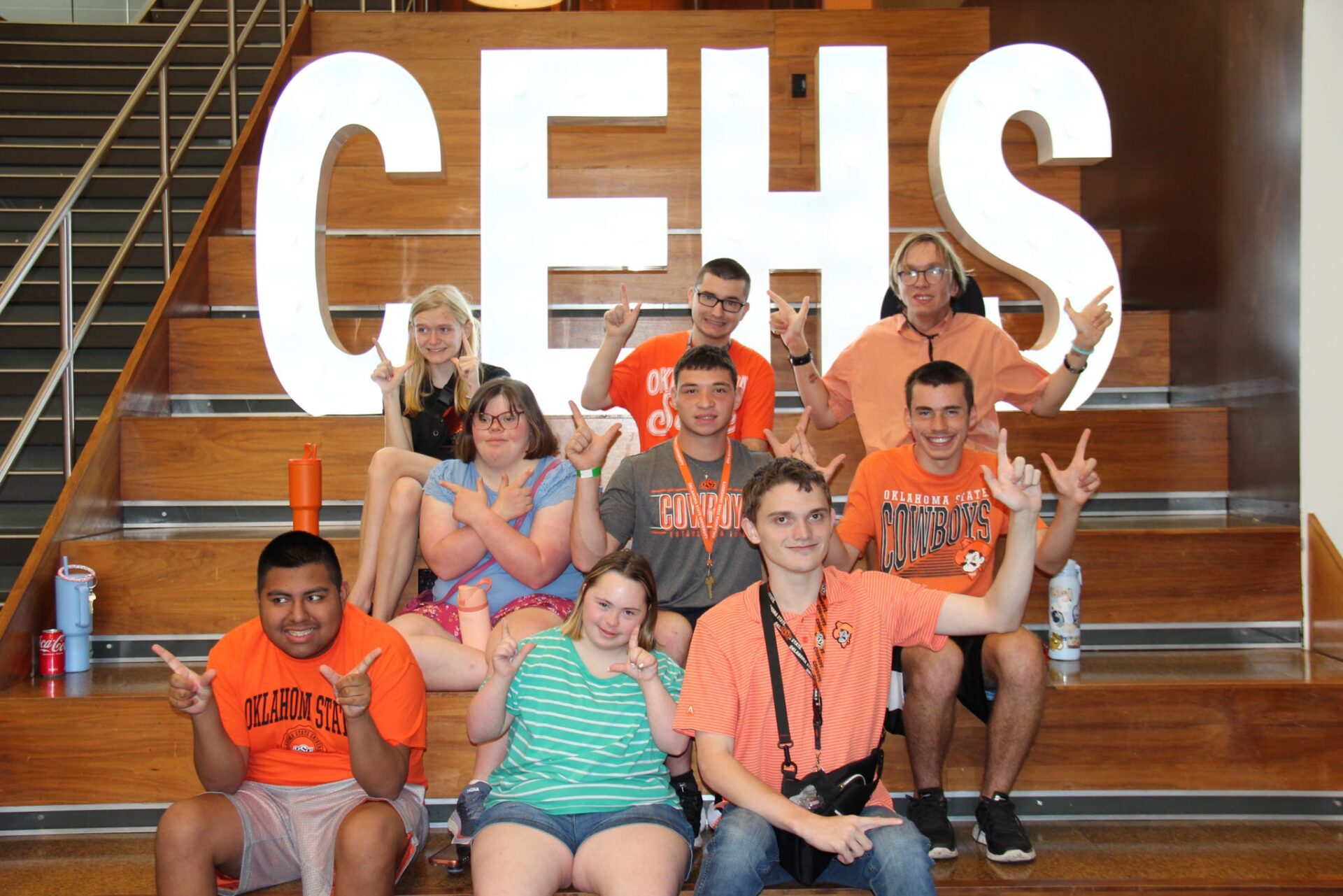
Oklahoma State University: Opportunity Orange Scholars
Opportunity Orange Scholars at Oklahoma State University is a two‑year, inclusive program on the Stillwater campus for students with intellectual disabilities. It supports students’ personal and professional growth and leads to a university‑recognized certificate in Career and Community Studies.
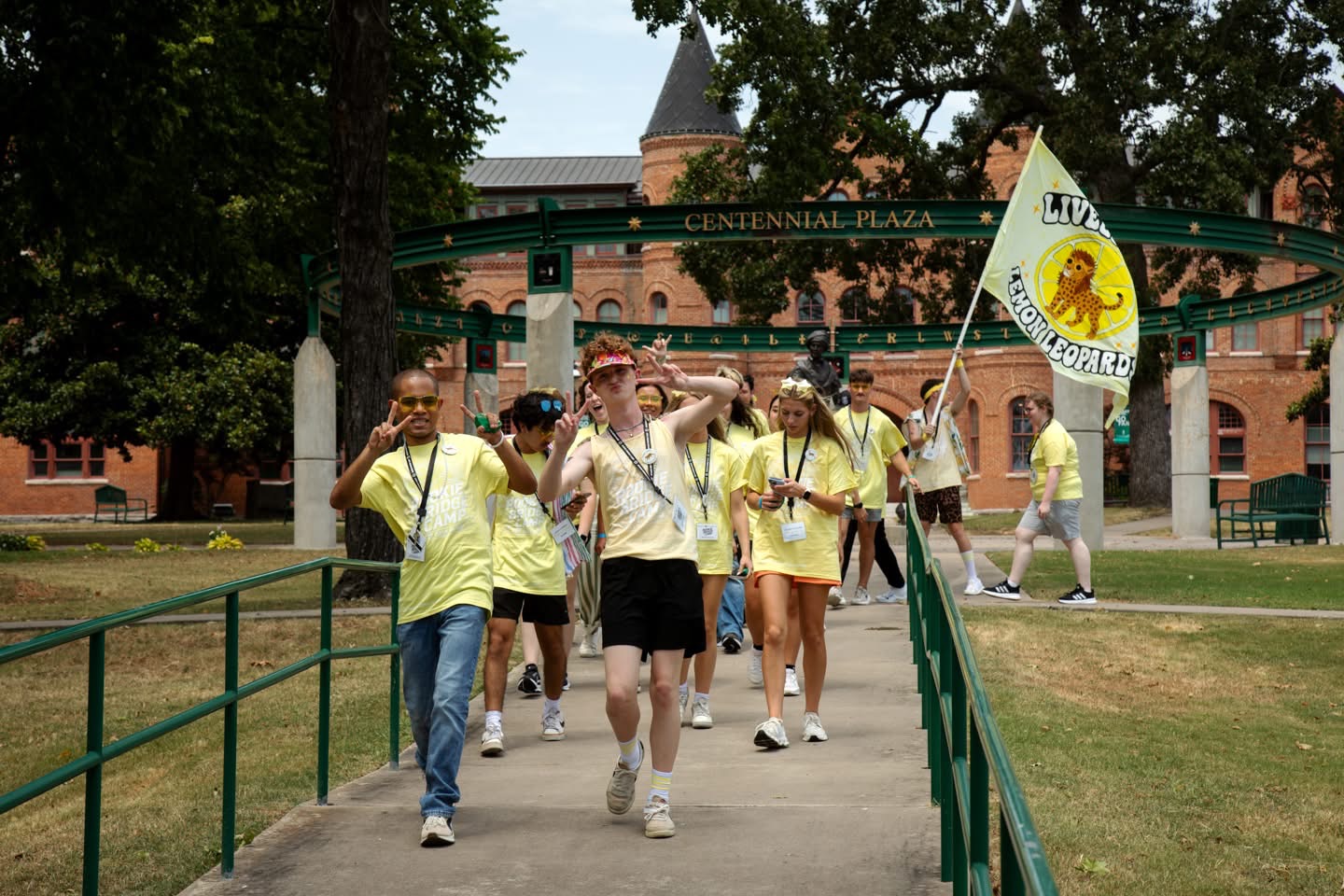
Northeastern State University: RiverHawks Scholar Program
Northeastern State University’s RiverHawks Scholar Program is Oklahoma’s first inclusive, four‑year certificate program for students with intellectual or developmental disabilities. It offers individualized support in independent living, social skills, academics, and career development. Students take three classes each semester—two regular university courses with peers and one program course—and gain real‑world experience through on‑campus and off‑campus internships.
Getting a Job
Get Help Preparing for Your Future Job
If you have a disability the Department of Rehabilitation Services (DRS) Transition program can help you get ready for a job after high school! They have special programs to teach you job skills and prepare you for work. You might even be able to earn a paycheck!
Specially trained vocational counselors can help you find the right path. Whether you need Vocational Rehabilitation (VR) or Services for the Blind and Visually Impaired (SBVI), they’ll make sure you have the support you need.
DRS Transition - Dream Big
Watch this video, visit the DRS Transition website, and ask a support person to help you apply for services!
Living My Best Life
Getting Ready to Live Your Best Life
Growing up means gaining the skills to live, work, and participate in your community. Independence looks different for everyone, and learning these skills takes time and support.
Families, teachers, and community partners can help you explore options, build everyday skills, and plan for the future you want. Whether you’re preparing for work, learning to manage daily life, or figuring out your next steps, you’re not alone.
Use the resources on this page to start building your path toward adulthood.
The freedom to make your own choices
Life after high school comes with big decisions. Will you live alone or with a roommate? Drive or take public transportation? How will you make friends and take care of your health?
You might think you have plenty of time, but independent living skills take practice. In this course, you’ll learn what these skills are, why they matter, and how to prepare for living on your own.
Learn at your own pace through online modules featuring engaging videos, practical activities, and helpful resources.
Finding Joy in Being Yourself
Living your best life doesn’t mean everything is perfect. It means getting to know who you are and being proud of it. When you use your strengths and share what makes you unique, you can grow, help others, and feel more confident. Now, meet Samuel Henderson from Choctaw, Oklahoma—an eleven‑year‑old who can mimic more than 50 bird sounds. Watch the video below to see his amazing talent in action.
Healthcare Transition
Check out this quick video to learn what really changes when you start taking care of your own health. It’s easier than you think. Want simple tips and tools to help you get ready for adult healthcare? Visit GotTransition.org and start learning how to take charge of your health today!